
2026年8月7日,星期五
Surabaya is taking another step toward a more modern public transportation system, and Germany is becoming an important partner in the process. The German and Indonesian governments have agreed to support the Surabaya Regional Railway Line, or SRRL, with a total of EUR 236 million in German loans and grants.
The project is part of a larger effort to improve public transportation in Greater Surabaya. Instead of relying heavily on private cars and motorcycles, the railway is expected to provide residents with a cleaner and more efficient way to travel around the metropolitan area.
The EUR 236 million support from Germany consists of a EUR 230 million concessional loan provided through Germany’s development bank, KfW, along with a EUR 6 million grant. The Indonesian Ministry of Finance and KfW signed the loan agreement on June 30, 2025.
So, what exactly will the money be used for?
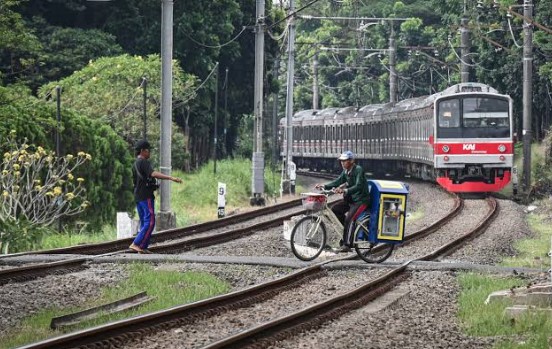
The first phase of the Surabaya Regional Railway Line will focus on the approximately 20-kilometre Gubeng–Sidoarjo corridor. The project includes double tracking and electrification of the railway line. In simple terms, the railway will have better capacity and move toward a more modern electric-powered system.
This could make a big difference for commuters. Surabaya and its surrounding areas are busy urban zones where traffic congestion is a daily problem. A reliable regional railway could give people another option besides driving.
The project is expected to serve more than 200,000 daily commuters once it becomes operational. It is also projected to benefit more than 1.3 million residents during its first two years of operation.
But the benefits are not only about transportation. Better rail connections can also support economic activity. When people can travel more easily between residential areas, business districts, and other important locations, businesses can gain access to a wider workforce. Improved transportation can also help reduce travel times and potentially lower logistics costs.
Germany is also highlighting the environmental side of the project. The SRRL is designed as a green infrastructure project, with the railway expected to contribute to lower greenhouse gas emissions. The project is projected to reduce emissions by up to 150,000 tonnes annually by 2045.
Another interesting part is the plan for future integration. The railway is expected to connect with other forms of public transportation, including buses, while supporting transit-oriented development. This means future urban development can be planned around public transport rather than making private vehicles the main focus.
For Surabaya, this is more than simply building another railway line. It is about creating a transportation system that can support the city as its population and economy continue to grow.
For Germany, the project also represents stronger cooperation with Indonesia in sustainable infrastructure. It combines financing, technology, and knowledge transfer to support Indonesia’s long-term transportation goals.
If everything develops as planned, the Surabaya Regional Railway Line could become an important part of East Java’s future transport network. More importantly, it could show how international cooperation can help Indonesian cities build cleaner, more connected, and more comfortable public transportation.
 CN
CN  EN
EN  ID
ID  AR
AR  IT
IT  ES
ES  JP
JP  KR
KR