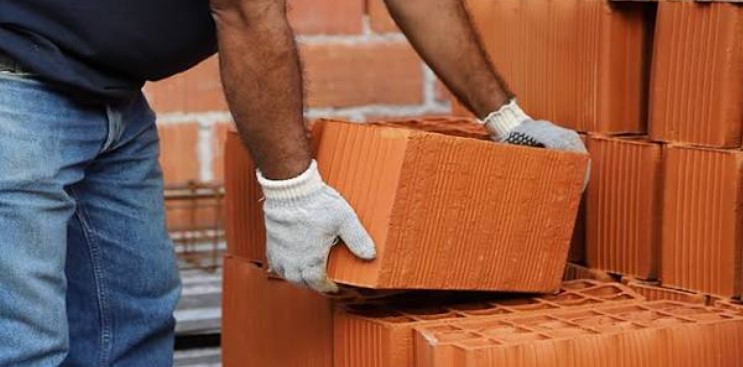
Saturday, 04 July 2026   Construction projects rely on a wide range of materials, from cement bags and steel bars to timber, bricks, and heavy equipment. While these materials are essential for getting the job done, they can also become serious safety hazards if handled incorrectly. That’s why every construction site should make safe material handling a top priority.   One of the first rules is to know the material you’re working with. Every construction material has its own characteristics and potential risks. Cement, for example, can irritate the skin and eyes, while steel beams may cause crush injuries if lifted improperly. Reading productRead More →
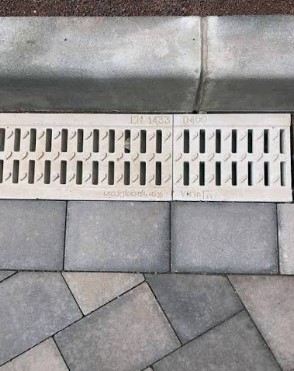
  Saturday, 04 July 2026   Building in coastal areas is exciting. Beautiful ocean views, fresh sea breezes, and thriving tourism make these locations attractive for homes, resorts, ports, and public spaces. However, coastal environments also bring unique engineering challenges, especially when it comes to drainage systems.   Unlike inland areas, coastal regions constantly expose infrastructure to salt, humidity, heavy rainfall, and sometimes even seawater. These conditions can quickly wear down ordinary drainage channels, leading to corrosion, cracks, and expensive repairs. That’s why choosing the right drainage system is just as important as selecting quality concrete or steel.   Why Coastal Drainage Needs Special AttentionRead More →

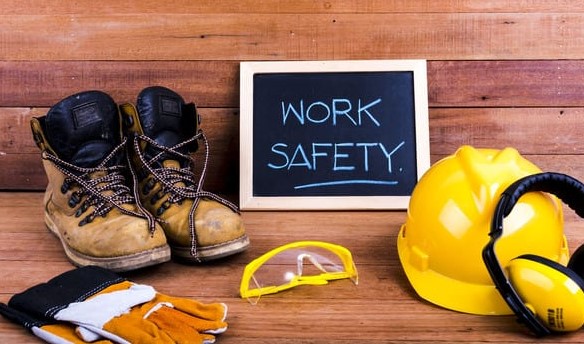
  Friday, 03 July 2026   Every construction project, whether it’s a small house or a large commercial building, comes with risks. Heavy equipment, working at heights, electrical systems, and changing weather conditions all create potential hazards.   The good news is that many accidents can be prevented with proper planning, the right equipment, and a strong commitment to workplace safety. Here are four important ways to create a smarter and safer construction site.   Build a Safety-First Culture   Safety starts with leadership. Project managers, supervisors, and contractors should make safety a priority from day one.   Workers need to understand site rules, emergencyRead More →

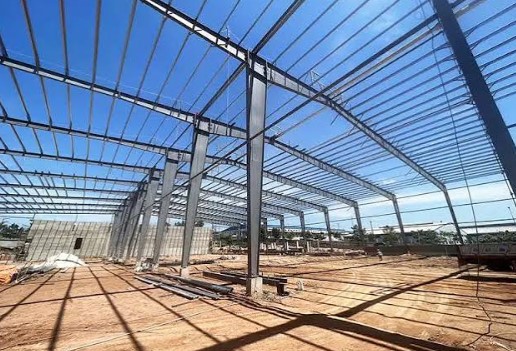
  Friday, 03 July 2026   Building near the coast comes with unique challenges. Strong winds, salty air, high humidity, and heavy rainfall can quickly wear down traditional construction materials. That’s why many engineers and builders are turning to steel buildings as a smarter and more sustainable solution.   Steel has become one of the most reliable materials for coastal construction because it combines strength, durability, and environmental benefits in one package.   Built to Handle Harsh Conditions   Coastal environments expose buildings to constant moisture and salt, which can damage many materials over time. Properly treated steel, especially galvanized or coated steel, offers excellentRead More →