
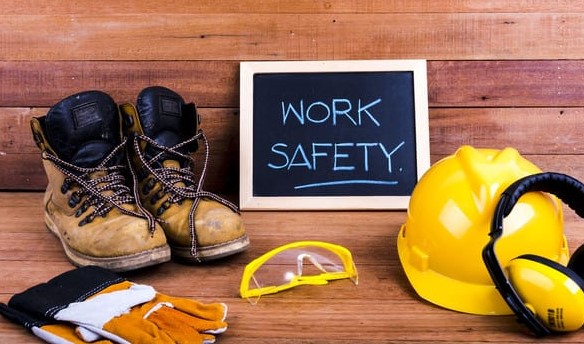
الجمعة، 3 يوليو 2026. كل مشروع بناء، سواء كان منزلًا صغيرًا أو مبنى تجاريًا ضخمًا، ينطوي على مخاطر. فالمعدات الثقيلة، والعمل على ارتفاعات، والأنظمة الكهربائية، وتغيرات الأحوال الجوية، كلها عوامل تُشكل مخاطر محتملة. والخبر السار هو أنه يمكن تجنب العديد من الحوادث بالتخطيط السليم، والمعدات المناسبة، والالتزام التام بسلامة مكان العمل. إليكم أربع طرق مهمة لإنشاء موقع بناء أكثر ذكاءً وأمانًا: بناء ثقافة السلامة أولًا: تبدأ السلامة بالقيادة. يجب على مديري المشاريع والمشرفين والمقاولين جعل السلامة أولوية قصوى منذ اليوم الأول. يحتاج العمال إلى فهم قواعد الموقع، وإجراءات الطوارئ.المزيد →
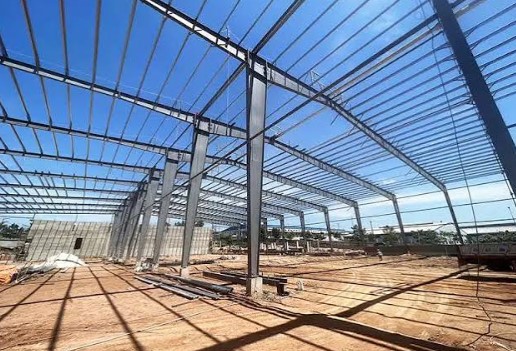
  الجمعة، 3 يوليو 2026. يواجه البناء بالقرب من الساحل تحديات فريدة. فالرياح العاتية والهواء المالح والرطوبة العالية والأمطار الغزيرة قد تُتلف مواد البناء التقليدية بسرعة. ولذلك، يتجه العديد من المهندسين والبنائين إلى المباني الفولاذية كحلٍّ أكثر ذكاءً واستدامة. أصبح الفولاذ من أكثر المواد موثوقيةً في البناء الساحلي، لأنه يجمع بين القوة والمتانة والمزايا البيئية في آنٍ واحد. صُممت المباني لتحمّل الظروف القاسية، فالبيئات الساحلية تُعرّض المباني لرطوبة وملح مستمرين، مما قد يُتلف العديد من المواد بمرور الوقت. يوفر الفولاذ المُعالج بشكل صحيح، وخاصةً الفولاذ المجلفن أو المطلي، مقاومةً ممتازةً.المزيد →

Friday, 05 June 2026   When people think about property investment in Lombok, villas and beachfront developments usually get all the attention. But there is another asset quietly attracting investors: productive land.   In fact, productive land may be one of the most underrated investment opportunities on the island.   Lombok has long been known for its fertile soil, favorable climate, and strong agricultural tradition. Across the island, farmers cultivate crops ranging from rice and corn to coffee, coconuts, and various tropical fruits. This agricultural foundation creates opportunities that go beyond traditional real estate speculation.   One reason productive land attracts investors is its dualالمزيد →

Tuesday, 02 June 2026   Whenever conflict erupts in the Middle East, global investors immediately become nervous. Oil prices jump, stock markets become volatile, and financial headlines suddenly feel dramatic. But what does this actually mean for ordinary investors? Should people panic and sell everything? Probably not.   History shows that geopolitical conflicts often create short-term market fear, but not always long-term disaster. During major global crises like the Gulf War, the September 11 attacks, or the Russia-Ukraine conflict, markets initially dropped before eventually recovering. Investors who panic-sold usually regretted it later.   One of the biggest impacts of Middle East conflict is oil prices.المزيد →