
Friday, 03 July 2026
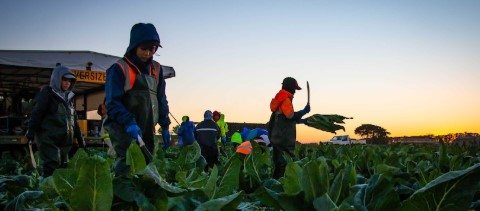
Food security has become one of Indonesia’s biggest priorities, and Australia is expected to play an important role in helping achieve that goal. As both countries strengthen their economic partnership, cooperation in agriculture and food investment is becoming more important than ever.
Indonesia recently emphasized its commitment to expanding food cooperation with Australia during bilateral discussions and business forums. The government is encouraging Australian investors to participate in projects that support food security, modern agriculture, and sustainable infrastructure.
This cooperation makes perfect sense because the two countries have complementary strengths. Australia is known for its advanced agricultural technology, efficient farming systems, and expertise in food production. Indonesia, on the other hand, offers a large consumer market, abundant natural resources, and growing demand for food products.
Rather than focusing only on food imports and exports, both governments are looking at long-term investment opportunities. Areas such as modern farming techniques, irrigation systems, food processing, cold chain logistics, agricultural research, and sustainable farming practices are attracting increasing attention.
Indonesia has invited Australian businesses to become part of its broader economic development agenda. Besides food security, investment opportunities also include downstream industries, infrastructure, renewable energy, and the green economy. These sectors are expected to support Indonesia’s long-term growth strategy while creating attractive opportunities for Australian companies.
One important advantage is the Indonesia-Australia Comprehensive Economic Partnership Agreement (IA-CEPA). The agreement provides a stronger framework for businesses to trade, invest, and collaborate more easily. It reduces barriers and encourages companies from both countries to explore new partnerships.
Food cooperation also goes beyond economics. Climate change, global supply chain disruptions, and population growth have made food security a global concern. By sharing technology, research, and investment, Indonesia and Australia can build more resilient food systems that benefit both nations.
Australian investors can contribute through smart farming technologies, digital agriculture, precision irrigation, improved livestock management, and environmentally friendly production methods. Meanwhile, Indonesian farmers and agribusinesses can gain access to better technology, training, and international best practices.
The future looks promising. Indonesia continues to prioritize food security as one of its national development goals, while Australia remains interested in expanding economic cooperation throughout Southeast Asia. This creates a win-win situation where both countries can strengthen trade, encourage innovation, and improve agricultural productivity.
As global demand for sustainable food production continues to rise, Indonesia and Australia have an opportunity to build one of the region’s strongest agricultural partnerships. With continued investment, policy support, and business collaboration, food cooperation between the two neighbors could become an important driver of economic growth and regional stability for many years to come.
 EN
EN  ID
ID  CN
CN  AR
AR  IT
IT  ES
ES  JP
JP  KR
KR