
Friday, 10 July 2026
Australia and Indonesia have enjoyed a strong agricultural partnership for decades, and one of the most interesting examples is in the cattle industry. While Australia is well known for producing high-quality cattle, Indonesia has a huge demand for beef due to its growing population and rising incomes. By working together, Australian investors are helping Indonesia improve cattle farming while creating benefits for both countries.
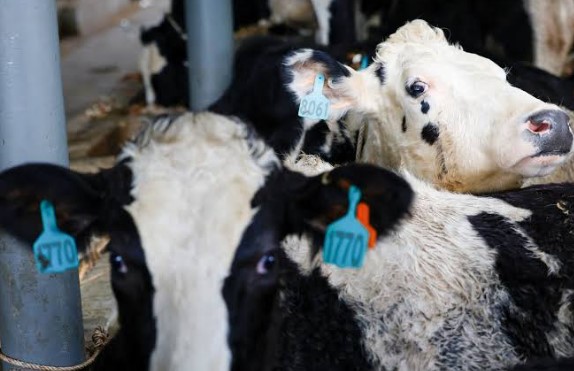
For years, Australia has exported live cattle to Indonesia. However, the relationship has grown beyond simple exports. Today, Australian companies and investors are also involved in improving Indonesia’s feedlot industry. Feedlots are facilities where cattle are fed nutritious diets before being processed for beef production. Better feedlots mean healthier cattle, faster growth, and higher-quality meat.
One of the biggest contributions from Australian investors is modern farming technology. Many Indonesian cattle farms are adopting better feeding systems, improved nutrition plans, and advanced animal health management. These practices help cattle gain weight more efficiently while maintaining good welfare standards.
Knowledge sharing is another major advantage. Australian experts regularly work with Indonesian farmers, teaching them about livestock management, disease prevention, and sustainable farming techniques. This transfer of knowledge helps local farmers improve productivity without sacrificing animal health.
Investment in infrastructure also plays a key role. Australian-backed projects often support the construction of modern feedlots, storage facilities, water systems, and transportation networks. Better infrastructure reduces losses and ensures cattle receive proper care throughout the production process.
The partnership also creates economic opportunities. Indonesia can increase domestic beef production, reducing pressure on imports during periods of high demand. At the same time, Australian cattle producers gain access to one of Asia’s largest beef markets, creating a win-win relationship.
Another important aspect is food security. As Indonesia’s population continues to grow, ensuring a stable beef supply becomes increasingly important. By investing in better farming systems and feedlot operations, Australian companies help strengthen Indonesia’s ability to meet future demand.
Sustainability has also become part of the conversation. Many investors encourage efficient feed usage, better waste management, and responsible water consumption. These improvements not only reduce environmental impacts but also lower production costs over time.
Of course, challenges still exist. Disease outbreaks, fluctuating feed prices, climate conditions, and changing government regulations can affect the cattle business. However, close cooperation between Indonesian businesses, Australian investors, and government agencies has helped address many of these issues through better planning and long-term investment.
Looking ahead, the future of Indonesia’s cattle industry appears promising. Continued investment in technology, farmer education, and infrastructure will likely improve productivity even further. As consumer demand for quality beef grows, both countries have strong reasons to continue strengthening their agricultural partnership.
Australian investment isn’t simply about selling cattle. It’s about sharing expertise, improving farming systems, and building a more sustainable livestock industry. Through collaboration and innovation, Australia is helping Indonesia produce healthier cattle, support local farmers, and strengthen food security. It’s a great example of how international investment can create lasting value for both nations while supporting one of Indonesia’s most important agricultural sectors.
 EN
EN  ID
ID  CN
CN  AR
AR  IT
IT  ES
ES  JP
JP  KR
KR