
2026年8月15日,星期六
Indonesia and Germany have a long history of economic relations, but the partnership still has plenty of room to grow. Under President Prabowo Subianto, Indonesia is looking to attract more German investment and strengthen cooperation across several important sectors.
The idea is pretty straightforward: Indonesia wants more investment, technology, and industrial cooperation, while German companies can gain access to one of Southeast Asia’s biggest and fastest-developing markets.
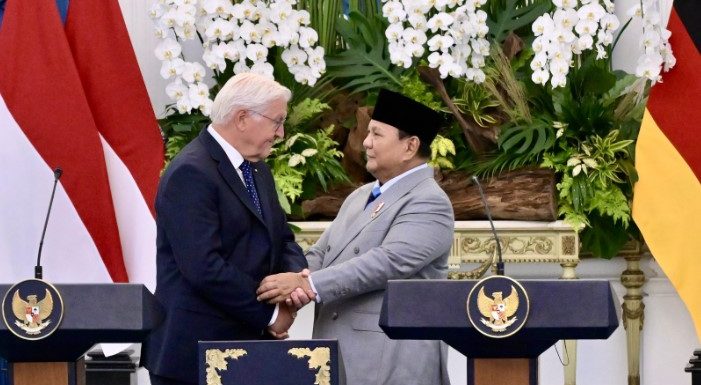
Germany has also shown continued interest in strengthening economic ties with Indonesia. During German President Frank-Walter Steinmeier’s visit to Indonesia in June 2026, trade, investment, and industrial cooperation were among the important areas discussed.
Looking Beyond Traditional Investment
For Indonesia, the goal is not simply to bring in foreign capital. The country also wants investment that can support long-term economic development.
This means cooperation can cover areas such as manufacturing, infrastructure, energy, technology, and other industries that can create jobs and increase Indonesia’s industrial capacity.
Germany has a strong reputation for engineering, manufacturing, technology, and industrial expertise. For Indonesia, closer cooperation with German businesses could therefore bring more than just money. It could also provide opportunities for knowledge transfer, skills development, and new technologies.
At the same time, German businesses can benefit from Indonesia’s large domestic market and its position within the wider Southeast Asian region.
Energy and Sustainability
Energy transition is another area where cooperation could become increasingly important. Indonesia is working to develop cleaner and more sustainable sources of energy while maintaining economic growth. Germany, meanwhile, has extensive experience in renewable energy, energy efficiency, and green technologies.
That creates an obvious opportunity for both countries to work together.
Investment in renewable energy, sustainable infrastructure, and environmentally friendly industrial technology could help Indonesia move toward a greener economy while giving German companies opportunities to expand their businesses.
Developing Human Resources
Investment is not only about factories and infrastructure. Human resources are also an important part of the Indonesia-Germany relationship.
The two countries have discussed skills development and labor mobility, especially as businesses face changing workforce needs. During Steinmeier’s 2026 Asia trip, these issues were also highlighted alongside trade, investment, and industrial cooperation.
For Indonesia, stronger cooperation in vocational education and professional training could help workers gain skills that match modern industries. For German businesses, having access to a skilled workforce is an important factor when considering long-term investment.
A Partnership With Potential
Indonesia’s efforts to attract German investment show that the relationship is moving beyond traditional trade. There is potential for cooperation across industries, from manufacturing and technology to energy and human-resource development.
For President Prabowo’s government, attracting high-quality foreign investment can support Indonesia’s broader economic ambitions. For Germany, Indonesia offers a major market and an important economic partner in Southeast Asia.
If both sides can turn these discussions into concrete projects, the Indonesia-Germany relationship could become an even stronger economic partnership in the years ahead.

