
Friday, 23 October 2026
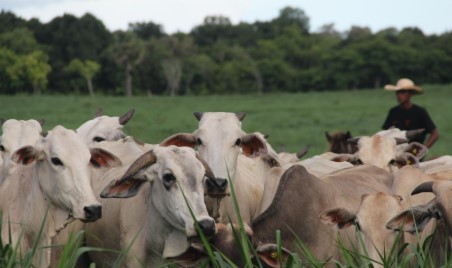
Indonesia continues to attract foreign investors in the livestock industry, and Brazil is one of the countries showing interest in this sector. One notable project involves a Brazilian investor developing a large cattle farm in East Sumba, East Nusa Tenggara (NTT).
According to a report by detikFinance, the project was planned across 3,000 hectares of land. The investment was expected to support cattle breeding and help increase Indonesia’s domestic beef production.
The project is interesting because Brazil has a strong cattle industry and extensive experience in livestock farming. By bringing investment and farming knowledge to Indonesia, the project could help develop local livestock production.
A Large Area for Cattle Farming
The farm was reported to be under development, with infrastructure preparation forming an important part of the project. In its initial phase, the planned capacity was around 3,000 breeding cows.
Some of the cattle were expected to come from Australia, while the investment itself came from Brazil. This shows how international cooperation can play a role in developing Indonesia’s livestock sector.
East Sumba was considered a potential location because it has extensive land suitable for livestock activities. However, managing a large cattle farm requires more than just having enough land. Water supplies, animal feed, transportation, and veterinary services are also essential.
Dealing with Water and Feed Challenges
One of the main challenges of raising cattle in East Sumba is the dry climate. During the dry season, finding enough water and maintaining a reliable supply of animal feed can be difficult.
A separate detikFinance report on the Brazilian investor’s livestock project explained that water storage ponds and channels were used to help supply the farm area. The approach was intended to support grass growth throughout the year, including during drier periods.
Choosing suitable grass varieties is also important. Good animal feed helps cattle grow properly and supports the long-term productivity of the farm.
These practical solutions show why agricultural investment often requires local knowledge as well as financial resources and technology.
Potential Benefits for Indonesia
Indonesia has a significant demand for beef, and increasing local production is one way to reduce dependence on imported meat. Large-scale cattle farms could contribute to this goal if they operate successfully and sustainably.
The project may also create opportunities for local workers and livestock businesses. Nearby communities could benefit from jobs related to animal care, transportation, feed production, and farm maintenance.
In addition, local farmers may gain useful experience by observing modern livestock management methods. With the right training and cooperation, this knowledge could support the development of smaller cattle farms as well.
However, these benefits depend on how the project is implemented. Land management, environmental protection, water availability, and cooperation with local communities all need careful attention.
Brazilian investment in East Sumba highlights the potential of Indonesia’s livestock sector. With suitable infrastructure, effective farm management, and support for local communities, large cattle farming projects could help strengthen the country’s agricultural industry and improve domestic beef supplies.
 EN
 ID
 CN
 AR
 IT
 ES
 JP
 KR