
2026年8月21日(金)
Indonesia’s transportation sector is getting an interesting boost, and Surabaya is one of the cities at the center of it. A major railway investment supported by Germany shows how cooperation between Indonesia and European countries is becoming stronger, especially in modern and sustainable public transportation.
The project is the Surabaya Regional Railway Line, which will improve the railway connection between Surabaya and Sidoarjo. According to the German-Indonesian Chamber of Industry and Commerce, Germany is providing EUR 236 million to support the first phase of the project. Construction is expected to begin in 2027–2028.
So, what makes this project important?
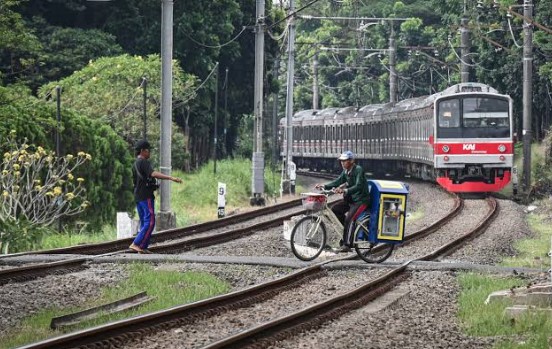
First, the railway line is planned to be modernized and double-tracked. The Surabaya-Sidoarjo corridor is an important transportation route in East Java because many people travel between residential areas, business centers, and the city of Surabaya every day. A better railway system could make these daily journeys more comfortable and efficient.
The project will also include electrification. This is an important step toward a more modern railway network. Electric trains can support cleaner public transportation while reducing dependence on conventional railway technology. For a growing city like Surabaya, better rail transportation can also help reduce pressure on roads and make public transport a more attractive option.
Germany’s role is another interesting part of the story. The EUR 236 million support shows that German cooperation is not only about trade and manufacturing. Transportation infrastructure is becoming another area where German expertise, financing, and technology can contribute to Indonesia’s development.
For Indonesia, international cooperation like this can bring more than just financial support. Large transportation projects require technical knowledge, planning, engineering, equipment, and long-term management. Working with experienced international partners can help strengthen these areas while also creating opportunities for local businesses and workers.
There is also a wider picture behind the Surabaya railway project. Indonesia has been investing heavily in improving transportation infrastructure as its cities continue to grow. Better rail systems can support economic activity by making it easier for people to move between cities and surrounding areas.
For German companies, Indonesia can also be an attractive market. The country has a huge population, growing cities, and increasing demand for better infrastructure. Railway development could open opportunities for companies involved in engineering, railway technology, electrical systems, construction, equipment, and transportation services.
The Surabaya-Sidoarjo project therefore represents more than a railway upgrade. It is a sign that Indonesia and Germany are finding new ways to work together in the transportation sector.
If the project develops as planned, people in the Surabaya area could eventually enjoy a more modern, efficient, and connected railway system. At the same time, German investment and expertise could help strengthen Indonesia’s transportation infrastructure.
For both countries, this looks like a partnership with long-term potential. Indonesia gets support for an important infrastructure project, while German businesses gain opportunities in one of Southeast Asia’s largest and fastest-developing markets. The Surabaya railway could be an important example of how international cooperation can turn infrastructure needs into new economic opportunities.
 JP
JP  EN
EN  ID
ID  CN
CN  AR
AR  IT
IT  ES
ES  KR
KR