
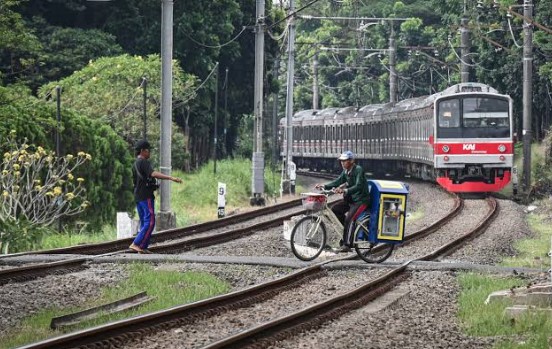
German to Fund Surabaya Suburban Rail Expansion


Monday, 31 August 2026


Getting around a big city can be challenging, especially when more people rely on cars and motorcycles every day. Traffic jams, air pollution, and long travel times can quickly become part of daily life. In Surabaya, Indonesia, the government is working on a major solution: expanding the regional railway network with support from Germany.


The project is part of Indonesia and Germany’s cooperation in developing greener infrastructure. Germany, through its state-owned development bank KfW, has committed funding to support the Surabaya Regional Railway Line (SRRL). The cooperation is expected to help improve public transportation across the Greater Surabaya area.


The initial plan was announced as part of a wider German-Indonesian climate initiative. KfW planned to provide financing for infrastructure projects in Indonesia, including the expansion of Surabaya’s suburban railway network. Around EUR230 million was initially planned for the railway project, with the network expected to be expanded by about 120 kilometres.


So, what makes this railway project important?


First, it can give people another option for daily transportation. Surabaya is one of Indonesia’s biggest urban areas, and many people travel between the city and surrounding areas for work, school, business, and other activities. A better railway connection could make these trips easier and more predictable.


The planned railway network is also expected to connect suburban areas with the city centre. KfW says the expanded network could eventually serve hundreds of thousands of passengers every day. This means the project is not simply about building railway tracks. It is also about creating a more connected public transportation system.


Another important benefit is the environmental impact. Moving more people from private vehicles to public transportation can help reduce fuel consumption and carbon emissions. According to earlier project information, the expanded railway network was expected to save up to 100,000 tonnes of carbon dioxide emissions each year.


Germany’s support also shows how infrastructure development can become part of climate cooperation. Instead of focusing only on roads and private transportation, Indonesia and Germany are looking at public transport as a way to support cleaner and more sustainable cities.


The project has continued to move forward. In 2025, the German Embassy said Germany was supporting the first phase of the Surabaya Regional Railway Line with EUR236 million in loans and grants. The project is expected to significantly improve mobility in Greater Surabaya while supporting Indonesia’s wider sustainable infrastructure goals.


For local residents, the biggest hope is simple: easier travel. A reliable suburban railway could mean less time stuck in traffic and more convenient access to jobs, schools, and other parts of the metropolitan area.


In the long run, the Surabaya railway expansion could become an important example of how international cooperation can help cities improve public transportation. With German financial support and Indonesia’s infrastructure plans working together, Surabaya is taking another step toward a cleaner and more connected future.