
Wednesday, 05 August 2026
Indonesia’s transition toward renewable energy continues to gain momentum. One of the latest milestones comes from Jakarta, where PT Maharaksa Biru Energi Tbk (OASA) has partnered with German companies Intec Engineering GmbH and SBW Energy GmbH to develop large-scale waste-to-energy projects in Indonesia.
The strategic alliance aims to build modern waste-to-energy facilities with a total investment value reaching approximately Rp55 trillion. The collaboration combines Indonesian market knowledge with German engineering expertise, creating an opportunity to accelerate sustainable energy development across the country.
Waste management has become one of Indonesia’s biggest urban challenges. Every day, major cities produce thousands of tons of garbage, much of which ends up in landfills. Instead of allowing waste to accumulate, waste-to-energy technology converts municipal waste into electricity while reducing landfill volumes.
This is where the partnership becomes especially important.
Germany has long been recognized as one of the world’s leaders in renewable energy technologies. Its experience in engineering, waste processing, and environmental management makes German companies valuable partners for countries looking to modernize their infrastructure.
For OASA, working with experienced international partners means gaining access to advanced technologies, engineering standards, and operational expertise that can improve project efficiency and long-term performance.
The planned facilities are expected to process large amounts of municipal waste while generating electricity for surrounding communities. Besides producing cleaner energy, the projects can also help reduce greenhouse gas emissions and minimize environmental pollution caused by unmanaged waste.
The investment also carries significant economic benefits. Large infrastructure projects require engineers, technicians, construction workers, environmental specialists, and various supporting industries. During construction and operation, thousands of employment opportunities could be created.
Beyond job creation, the collaboration strengthens Indonesia’s renewable energy ecosystem. International partnerships often encourage technology transfer, allowing local professionals to learn modern engineering practices that can support future green infrastructure projects.
The cooperation reflects Indonesia’s increasing attractiveness for foreign investment in sustainable industries. As the government continues promoting clean energy and circular economy initiatives, more international companies are showing interest in participating in the country’s energy transition.
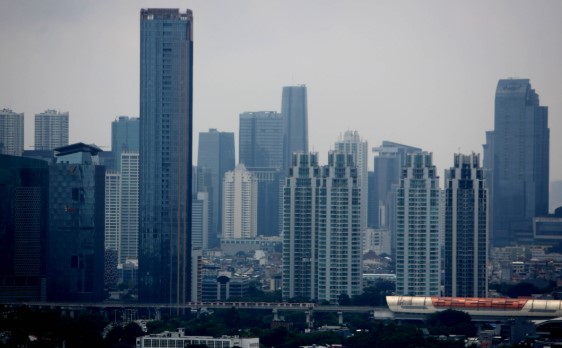
For Jakarta, projects like these represent more than just power generation. They demonstrate how cities can transform environmental problems into valuable resources. Instead of viewing waste as a burden, modern technology allows it to become a reliable source of renewable electricity.
Looking ahead, collaborations between Indonesian and German companies could become an important model for future green infrastructure development. By combining investment, innovation, and environmental responsibility, Indonesia moves one step closer toward a cleaner and more sustainable energy future while supporting long-term economic growth.
 EN
EN  ID
ID  CN
CN  AR
AR  IT
IT  ES
ES  JP
JP  KR
KR