
Venerdì 14 agosto 2026
Spain is one of Europe’s major food-producing countries, but changes in production, weather, prices, and supply chains can create pressure on its food supply. This situation could also open an interesting opportunity for Indonesia: increasing food exports to the Spanish market.
At first, it might sound unusual. Spain is already famous for its agricultural products, seafood, olive oil, fruits, vegetables, and other food products. So why would Indonesia have an opportunity to export food there?
The answer is simple: international food markets are constantly changing.
When domestic production faces challenges, countries may need to look for additional suppliers from overseas. For Indonesia, this could become an opportunity to introduce more agricultural and food commodities to the Spanish market.
The issue is not necessarily about replacing Spanish farmers. Instead, Indonesia could focus on products that it can produce competitively and that have demand in international markets. Indonesia has a huge agricultural sector and produces commodities ranging from coffee, cocoa, spices, tropical fruits, seafood, palm-based products, and other agricultural goods.
This makes food trade between Indonesia and Spain worth watching.
Spain’s food sector has experienced pressure from weather and supply conditions in the past. For example, a 2023 analysis noted that exceptionally dry and hot weather affected domestic supply and contributed to lower Spanish food export volumes. These kinds of challenges show how climate and production conditions can influence the international food business.
For Indonesian exporters, the opportunity is not simply about having products available. Quality is extremely important. European markets have strict requirements related to food safety, traceability, packaging, labeling, and sustainability. Indonesian companies that want to enter Spain need to make sure their products meet those standards.
This is where preparation becomes important. Indonesian producers could work with exporters, distributors, and Spanish business partners to understand what products are most needed and how they should be delivered. Building reliable supply chains would also be essential because food products can be sensitive to transportation time, storage conditions, and temperature.
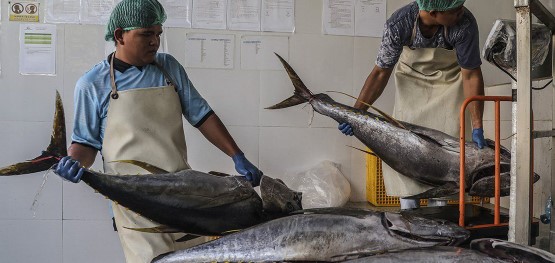
There is also room for cooperation beyond raw agricultural commodities. Indonesia could potentially develop more processed food products with higher added value. Instead of exporting only raw materials, companies can explore products such as processed seafood, packaged tropical foods, spices, cocoa-based products, and other ready-to-market goods.
Interestingly, Spain itself is also looking at Indonesia as an important food market. In 2026, Spain’s agriculture ministry announced an international campaign to promote Spanish food products in markets including Indonesia, India, and Mercosur countries. This shows that food trade between the two countries can work in both directions.
So, Spain’s food challenges could be seen from another angle. For Indonesian businesses, they may create an opportunity to expand exports and build stronger connections with European buyers.
The key is being ready. Good products, competitive prices, reliable supply, and compliance with European standards will be essential if Indonesia wants to turn this opportunity into long-term business.
 IT
IT  EN
EN  ID
ID  CN
CN  AR
AR  ES
ES  JP
JP  KR
KR