
Saturday, 17 October 2026
Lombok is known for its beautiful beaches, green landscapes, and growing tourism industry. However, the island also has potential in another important sector: renewable energy. A plan involving a Japanese investor to develop a 20-megawatt solar power plant could become an important step in supporting cleaner electricity in West Nusa Tenggara, also known as NTB.
The proposed project attracted attention during an Indonesia Investment Forum held in Tokyo, Japan. The initiative reflects efforts to connect regional projects in Indonesia with international investors interested in renewable energy.
A Solar Power Project for Lombok
The proposed solar power plant has a planned capacity of 20 megawatts (MW). It was one of the NTB projects selected for presentation to potential investors at the investment forum.
Solar power plants use panels to capture energy from sunlight and convert it into electricity. Unlike power plants that burn fossil fuels, solar facilities can generate electricity without directly producing carbon dioxide during operation.
Lombok has strong potential for solar energy because Indonesia is located in a tropical region that receives sunlight throughout the year. However, the actual output of a solar power plant still depends on weather conditions, the technology used, and the design of the facility.
A project with a planned capacity of 20 MW could contribute to the development of renewable energy in the region if it moves forward successfully.
Japanese Investment Interest
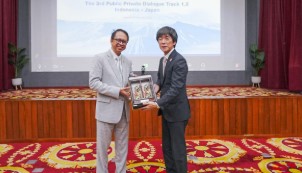
The investment discussion took place during the Indonesia Investment Forum in Tokyo, organized with the involvement of Bank Indonesia’s representative office in Tokyo and the Indonesian Embassy in Japan.
According to the NTB provincial government’s energy and mineral resources office, the solar project was the only project from the province selected for presentation at the forum on that occasion.
The project was presented alongside investment opportunities from several other Indonesian provinces. Business meetings were also held with seven prospective investors interested in different projects.
One company, Matrix of Cyber Smarth City Consortium (MCSCC), agreed to sign a letter of intent (LOI) related to an investment opportunity. The process was expected to receive continued support and monitoring from the relevant parties.
An LOI is an initial document that expresses interest in a proposed business arrangement. It does not automatically mean that construction has started or that the full investment has been completed.
Why Solar Energy Matters
Developing renewable energy can bring several potential benefits to Lombok. First, it can help diversify the island’s electricity sources instead of relying too heavily on fossil fuels.
Second, solar energy projects may support local economic activity. Development can create demand for construction workers, technical services, transportation, and other supporting businesses.
A larger renewable energy sector can also encourage the development of skills related to electrical systems, equipment maintenance, and clean energy technology.
However, a successful project requires more than investor interest. Developers must consider land availability, environmental impacts, grid connections, permits, financing, and the cost of maintaining the solar panels.
Guardando al futuro
The proposed 20 MW solar power plant represents an opportunity to attract international investment while supporting the development of cleaner energy in Lombok.
For the local community, the most important next step is turning the investment plan into a project that can be built and operated successfully.
If developed as planned, the facility could contribute to Lombok’s renewable energy capacity and support Indonesia’s wider efforts to build a more sustainable electricity system.
 IT
 EN
 ID
 CN
 AR
 ES
 JP
 KR