
Mercoledì 4 novembre 2026
Indonesia continues to attract international investment in its energy sector, and Japan is one of the countries showing interest in supporting the development of renewable energy infrastructure. One notable project involves an investment of approximately IDR 3.5 trillion to build electricity transmission infrastructure and a substation for the geothermal power plant in Bengkulu.
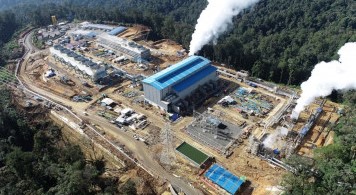
This investment is expected to support the distribution of electricity generated by the Hululais Geothermal Power Plant in Lebong Regency, Bengkulu. The project is an important part of efforts to improve electricity infrastructure and make better use of Indonesia’s natural energy resources.
Japan’s Investment in Bengkulu
According to a report published by ANTARA, a Japanese electricity company was expected to provide around IDR 3.5 trillion for the construction of transmission networks and a substation connected to the geothermal power plant.
The project is located in Lebong Regency, where the Hululais geothermal development area is situated. The infrastructure will help transport electricity from the power plant to the wider electricity network.
The investment is particularly important because building a power plant is not enough on its own. Electricity also needs proper transmission facilities before it can reach homes, businesses, and industrial areas.
The project therefore represents an important step in connecting renewable energy production with everyday electricity needs.
Supporting Geothermal Energy Development
Geothermal energy is one of Indonesia’s promising renewable energy sources. The country has significant geothermal potential because of its location along the Pacific Ring of Fire.
Unlike solar and wind energy, geothermal power plants can generate electricity using heat from beneath the Earth’s surface. This makes geothermal energy an interesting option for providing a more stable electricity supply.
The Hululais project is planned to have two generating units, each with a capacity of 55 megawatts. This means the development has the potential to contribute significantly to electricity production in Bengkulu and surrounding areas.
The project is being developed by PT Pertamina Geothermal Energy, while PLN is responsible for the electricity transmission infrastructure and related facilities.
Opportunities for Local Workers and Businesses
Another interesting aspect of this investment is its potential economic impact. The construction of transmission networks and substations requires various materials, equipment, and workers. According to the ANTARA report, PLN also emphasized that materials such as steel should be purchased domestically whenever possible.
This approach could create opportunities for Indonesian suppliers and local businesses.
There is also an expectation that local residents will have opportunities to participate in the construction project. With infrastructure development on this scale, employment opportunities could benefit communities around the project area.
However, land acquisition remains an important requirement before construction can move forward smoothly.
A Positive Step for Indonesia’s Energy Future
Japan’s involvement in the Bengkulu geothermal project highlights the importance of international cooperation in developing renewable energy infrastructure.
For Indonesia, investments like this can support electricity distribution, strengthen regional infrastructure, and encourage the development of cleaner energy sources.
Bengkulu also has the opportunity to become an important contributor to electricity production in Sumatra.
Although the development involves several technical and administrative challenges, the IDR 3.5 trillion investment demonstrates the significant potential of geothermal energy in Indonesia.
 IT
 EN
 ID
 CN
 AR
 ES
 JP
 KR