
Venerdì 10 luglio 2026
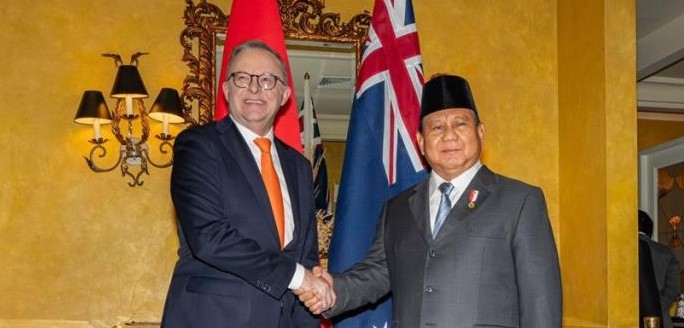
Indonesia e Australia intrattengono da molti anni una stretta relazione. In quanto paesi confinanti, collaborano in diversi settori, tra cui istruzione, turismo, sicurezza e commercio. Oggi, uno degli aspetti più importanti di questa partnership è la cooperazione in ambito commerciale e degli investimenti, che continua a creare opportunità per entrambe le nazioni.
La collaborazione economica sta assumendo un'importanza sempre maggiore, dato che l'Indonesia continua a crescere e a diventare una delle maggiori economie del Sud-est asiatico. Allo stesso tempo, le imprese australiane sono alla ricerca di nuovi mercati, partner affidabili e opportunità di investimento in tutta la regione. Questo rende l'Indonesia una destinazione attraente per gli investitori australiani che desiderano espandere la propria presenza in Asia.
Le solide partnership commerciali apportano vantaggi a entrambe le parti. Le aziende australiane offrono tecnologia, competenze e capitali, mentre l'Indonesia mette a disposizione un ampio mercato di consumo, abbondanti risorse naturali e una forza lavoro giovane. Insieme, questi punti di forza creano opportunità in grado di sostenere una crescita economica sostenibile.
Negli ultimi anni, entrambi i governi hanno incoraggiato una più stretta cooperazione attraverso accordi commerciali e iniziative di investimento. Questi sforzi mirano a facilitare gli scambi commerciali transfrontalieri migliorando la regolamentazione, aumentando la trasparenza e promuovendo la collaborazione a lungo termine tra le imprese di entrambi i paesi.
Gli investimenti non si limitano più ai settori tradizionali come l'industria mineraria o l'agricoltura. Oggi, gli investitori australiani mostrano interesse per le energie rinnovabili, le infrastrutture, le tecnologie digitali, la sanità, l'istruzione e il turismo. L'Indonesia, nel frattempo, continua ad attrarre investimenti stranieri grazie allo sviluppo di nuove zone industriali e progetti strategici nazionali.
Il turismo svolge anche un ruolo importante nel rafforzare i legami economici. Destinazioni come Bali e Lombok sono diventate nomi familiari per i viaggiatori australiani. L'aumento del turismo non solo sostiene le attività commerciali locali, ma crea anche opportunità di investimento in hotel, ristoranti, trasporti e servizi di ospitalità.
Un altro fattore chiave è il crescente rapporto tra imprese private. Mentre le politiche governative forniscono il quadro di riferimento, sono le aziende a creare posti di lavoro, stringere partnership e sviluppare progetti innovativi. Una solida cooperazione tra imprenditori, investitori e organizzazioni aziendali porta spesso a benefici economici a lungo termine che vanno oltre gli accordi ufficiali.
Anche le piccole e medie imprese (PMI) hanno un ruolo importante da svolgere. La collaborazione tra PMI indonesiane e australiane può incoraggiare l'innovazione, aprire opportunità di esportazione e aiutare le imprese locali ad accedere ai mercati internazionali. Queste partnership consentono alle aziende di imparare dalle reciproche esperienze, ampliando al contempo la propria portata globale.
L'istruzione e lo sviluppo della forza lavoro rafforzano ulteriormente le relazioni. Le università e gli istituti di formazione australiani collaborano da tempo con partner indonesiani, contribuendo a formare professionisti qualificati che comprendano gli standard commerciali internazionali. Ciò crea una base più solida per futuri investimenti e cooperazione commerciale.
Naturalmente, ogni partnership internazionale comporta delle sfide. Le differenze in termini di normative, cultura aziendale e condizioni di mercato richiedono pazienza e una comunicazione chiara. Tuttavia, un dialogo costante tra governi e comunità imprenditoriali contribuisce ad affrontare questi problemi, rafforzando al contempo la fiducia tra investitori e partner locali.
Guardando al futuro, Indonesia e Australia hanno un enorme potenziale per approfondire le loro relazioni economiche. Con l'evoluzione continua delle catene di approvvigionamento globali e la ricerca di una crescita sostenibile da parte di entrambi i Paesi, la cooperazione tra imprese e investitori diventerà ancora più preziosa. L'obiettivo non è più solo aumentare i volumi degli scambi commerciali, ma anche creare partnership che apportino benefici a lungo termine per le comunità, le industrie e le generazioni future.
In definitiva, la cooperazione commerciale e in materia di investimenti rappresenta molto più di semplici transazioni economiche. Essa rafforza la stabilità regionale, incoraggia l'innovazione, crea opportunità di lavoro e costruisce relazioni durature tra i popoli di entrambe le parti. Continuando a collaborare, Indonesia e Australia possono plasmare un futuro più solido e prospero per la regione.
 IT
IT  EN
EN  ID
ID  CN
CN  AR
AR  ES
ES  JP
JP  KR
KR