
Giovedì 2 luglio 2026
L'agricoltura ha sempre rivestito un ruolo importante nelle relazioni tra Australia e Indonesia. Sebbene entrambi i paesi abbiano punti di forza diversi in campo agricolo, le loro competenze si completano a vicenda in modo straordinario. Lavorando insieme, possono migliorare la sicurezza alimentare, incrementare gli scambi commerciali e creare nuove opportunità commerciali a vantaggio di agricoltori, imprese e consumatori di entrambi i paesi.
La crescente popolazione indonesiana continua ad aumentare la domanda di cibo. Essendo uno dei paesi più grandi del Sud-est asiatico, garantire un approvvigionamento alimentare stabile è diventata una priorità nazionale. L'Australia, grazie alla sua tecnologia agricola avanzata e alla sua esperienza nell'agricoltura su larga scala, è ben posizionata per supportare gli sforzi dell'Indonesia volti a rafforzare i suoi sistemi di produzione alimentare.
Le aziende australiane sono sempre più interessate a investire nel settore agricolo indonesiano. Anziché limitarsi all'esportazione di prodotti agricoli, molte imprese stanno esplorando partnership che prevedono il trasferimento tecnologico, pratiche agricole sostenibili, lo sviluppo dell'allevamento e moderni impianti di trasformazione alimentare. Questi investimenti possono contribuire a migliorare la produttività e a creare posti di lavoro a livello locale.
Un settore che sta suscitando grande interesse è quello dell'allevamento. L'Australia è da tempo un importante fornitore di bovini per l'Indonesia, ma la partnership si sta evolvendo oltre le tradizionali esportazioni. Le aziende stanno ora valutando programmi di allevamento, miglioramenti negli allevamenti intensivi, tecnologie per la salute animale e una migliore gestione della catena di approvvigionamento. Queste iniziative mirano ad aumentare l'efficienza e al contempo a sostenere la produzione interna di carne indonesiana.
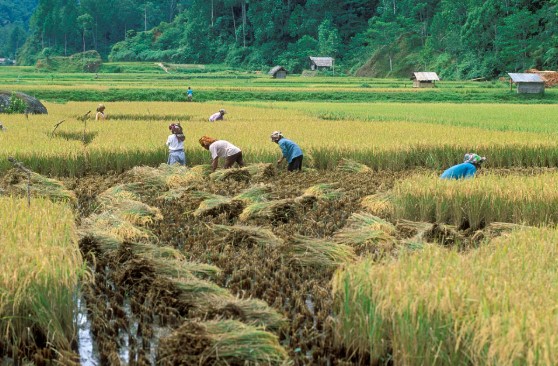
Anche la produzione agricola offre interessanti opportunità. L'esperienza australiana nei sistemi di irrigazione, nelle tecniche di coltivazione resistenti alla siccità, nell'agricoltura di precisione e nella gestione del suolo può aiutare gli agricoltori indonesiani a migliorare i raccolti nonostante i cambiamenti climatici. Le moderne tecnologie agricole consentono ai produttori di utilizzare acqua, fertilizzanti e terreno in modo più efficiente, ottenendo raccolti migliori e costi di produzione inferiori.
Diverse aziende agroalimentari australiane sono interessate anche alla trasformazione alimentare e alle industrie a valore aggiunto. Invece di esportare prodotti agricoli grezzi, gli investitori vedono opportunità nella costruzione di impianti di trasformazione all'interno dell'Indonesia. Questo approccio crea prodotti di maggior valore, genera occupazione e rafforza le filiere agricole indonesiane.
La collaborazione nella ricerca è un altro aspetto importante del partenariato. Università, istituti di ricerca e organizzazioni agricole di entrambi i paesi continuano a lavorare insieme per sviluppare nuove varietà di colture, migliorare la genetica del bestiame e trovare soluzioni agricole sostenibili. Queste collaborazioni aiutano gli agricoltori ad adattarsi ai cambiamenti climatici, migliorando al contempo la sicurezza alimentare a lungo termine.
Anche per gli investitori la sostenibilità è diventata una priorità fondamentale. Le imprese australiane si concentrano sempre più su pratiche agricole ecocompatibili, gestione efficiente delle risorse idriche, energie rinnovabili per l'agricoltura e riduzione delle emissioni di carbonio lungo l'intera filiera produttiva alimentare. Queste iniziative sono in linea con gli sforzi dell'Indonesia per costruire un settore agricolo più sostenibile.
Anche il sostegno governativo gioca un ruolo essenziale. Le solide relazioni diplomatiche tra Australia e Indonesia hanno favorito una maggiore cooperazione attraverso accordi commerciali, quadri di investimento e programmi di sviluppo congiunti. Queste politiche contribuiscono a ridurre gli ostacoli per le imprese, incoraggiando al contempo partenariati agricoli a lungo termine.
Naturalmente, investire in agricoltura richiede pazienza. L'attività agricola è influenzata dalle condizioni meteorologiche, dalle normative, dalle infrastrutture e dalla domanda di mercato. Le aziende che instaurano solide relazioni a livello locale e comprendono il panorama agricolo indonesiano hanno maggiori probabilità di successo a lungo termine.
Con l'aumento costante della domanda globale di cibo, la cooperazione agricola tra Australia e Indonesia acquisirà un valore ancora maggiore. Combinando la tecnologia e le competenze australiane con il mercato in crescita e il potenziale agricolo dell'Indonesia, entrambi i Paesi potranno rafforzare la sicurezza alimentare, creare una crescita economica sostenibile e costruire una partnership che andrà a beneficio delle generazioni future.
 IT
IT  EN
EN  ID
ID  CN
CN  AR
AR  ES
ES  JP
JP  KR
KR