
Martedì 26 maggio 2026
Indonesia is not just looking west toward Europe or east toward Asia for tourism investment—it is also turning its eyes to the Middle East. And among the destinations being offered to Gulf investors, Lombok has emerged as one of the most promising names on the list.
For years, Bali has been Indonesia’s tourism superstar. But as the island becomes increasingly crowded and expensive, the Indonesian government has started promoting alternative destinations with strong growth potential. Lombok, located just east of Bali, has become one of the key areas being highlighted for foreign investment, especially from Middle Eastern investors interested in tourism, hospitality, and property development.
Indonesia’s tourism push toward the Gulf region began as part of a strategy to attract both tourists and investors from the Middle East. According to Indonesia’s Tourism Ministry, visitors from the Middle East were considered highly valuable because they tended to travel in family groups, stay longer, and spend more than average international tourists. This created a natural opportunity—not only to bring in tourists, but also to invite Gulf investors to help build tourism infrastructure in destinations such as Lombok.
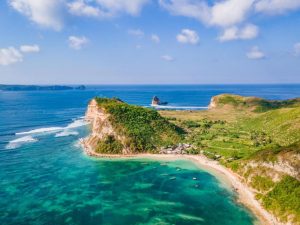
Lombok’s appeal is easy to understand. The island offers stunning beaches, luxury resort potential, cultural tourism, adventure attractions like Mount Rinjani, and a more peaceful alternative to Bali.
It has often been marketed as “Bali’s sister island,” but with its own identity and untapped tourism potential. For investors, this means entering a market that still has room to grow.
One of Lombok’s biggest selling points is Mandalika, a tourism special economic zone on the southern coast of the island. This area has been specifically designed to attract tourism-related investment, including resorts, hotels, entertainment facilities, and supporting infrastructure.
The development of Mandalika has turned Lombok into a more visible name on the global tourism map, especially with international events and infrastructure upgrades boosting accessibility and awareness.
Back when Indonesia actively promoted tourism investment opportunities in the Gulf, Lombok was included alongside other tourism zones as a place open for hospitality and property development. The government even approached major Middle Eastern business players in sectors such as hotel development and real estate, showing that Lombok was seen as a strategic destination for foreign capital.
For Middle Eastern investors, Lombok offers several advantages. First, land and development costs are still generally lower compared to mature destinations like Bali.
Second, Lombok has a cultural environment that aligns well with Muslim-friendly tourism concepts, something that can appeal strongly to Gulf travelers and investors. Third, the island continues to receive infrastructure support from the Indonesian government, helping improve its long-term investment value.
In simple terms, Lombok is no longer just a beautiful island next to Bali. It is becoming a serious tourism investment destination. And as Indonesia continues to seek stronger ties with Middle Eastern investors, Lombok stands out as one of the places where tourism, hospitality, and long-term growth opportunities come together.
 IT
IT  EN
EN  ID
ID  CN
CN  AR
AR  ES
ES  JP
JP  KR
KR