
Monday, 20 July 2026
Indonesia is taking a big step toward a cleaner and greener future. The government is actively inviting Australian investors to join a massive US$5 billion waste-to-energy (WtE) program, aiming to transform one of the country’s biggest environmental challenges into a reliable source of renewable energy.
For years, Indonesia has struggled with growing amounts of municipal waste. As the population continues to increase and cities expand, landfills are reaching their limits. Instead of letting trash pile up, the government wants to convert it into electricity, creating a solution that benefits both the environment and the economy.
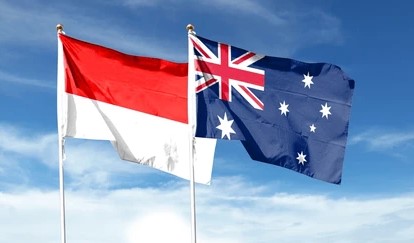
This ambitious program was recently presented to Australian investors during a business event in Sydney. Indonesia highlighted its enormous market potential, supportive government policies, and the opportunity for long-term partnerships in the renewable energy sector.
So, what exactly is waste-to-energy? Waste-to-energy plants process household waste that cannot be recycled and convert it into electricity or heat through advanced technologies. Besides producing clean energy, these facilities also reduce landfill usage, lower methane emissions, and improve waste management systems.
Indonesia plans to build dozens of waste-to-energy facilities across major cities. This initiative is expected to reduce the country’s dependence on fossil fuels while supporting its commitment to lowering greenhouse gas emissions.
Australia has become a natural partner for this project. Australian companies have extensive experience in renewable energy, environmental engineering, infrastructure development, and sustainable investment. Their expertise could help Indonesia accelerate the construction and operation of modern waste-to-energy plants.
The partnership also offers attractive opportunities for Australian businesses. Indonesia is one of Southeast Asia’s fastest-growing economies, with increasing energy demand and strong government support for green infrastructure. Investors can participate in projects that deliver both financial returns and positive environmental impact.
Beyond electricity generation, waste-to-energy projects can create thousands of new jobs. Engineers, construction workers, environmental consultants, plant operators, and technology providers will all play important roles in building this new industry. Local communities can also benefit from cleaner cities and better waste collection systems.
Of course, building waste-to-energy facilities isn’t without challenges. Projects require significant investment, careful environmental planning, and strong public support. Modern plants must comply with strict emission standards to ensure they operate safely and sustainably.
Another key factor is improving waste separation and recycling. Waste-to-energy should complement recycling efforts rather than replace them. By combining better recycling systems with energy recovery, Indonesia can create a more efficient circular economy.
For Australia, this collaboration strengthens economic ties with one of its closest regional partners. It also demonstrates how neighboring countries can work together to tackle climate change while promoting sustainable development.
As the global transition toward renewable energy continues, Indonesia’s waste-to-energy initiative could become one of the country’s most significant green infrastructure programs. With Australian investment, advanced technology, and shared expertise, mountains of waste could eventually become a valuable source of clean electricity.
Turning trash into power may sound futuristic, but for Indonesia and Australia, it represents a practical opportunity to build a cleaner environment, strengthen economic cooperation, and create a more sustainable future for both nations.

