
2026年8月13日,星期四
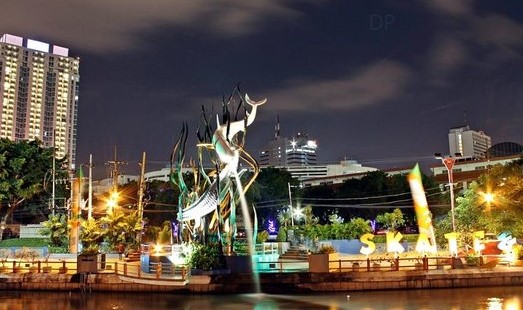
Surabaya is one of Indonesia’s biggest and busiest cities. With millions of people, busy roads, growing businesses, and expanding urban areas, the city also faces a familiar challenge: how to keep economic growth moving while reducing emissions.
Interestingly, Germany is stepping into this conversation through an investment aimed at supporting urban emissions reduction. The project in Surabaya is part of a broader effort to encourage cities to become cleaner, more efficient, and more environmentally friendly.
Why Surabaya?
Surabaya is a natural place to start. As a major economic center in East Java, the city has a large population and significant transportation and energy needs. Like many growing cities, reducing emissions isn’t simply about planting more trees. It also involves changing the way people move, how energy is used, and how urban development is managed.
The German-backed project focuses on helping address emissions at the city level. This is important because urban areas are responsible for a significant share of economic activity and energy consumption.
Instead of waiting until environmental problems become bigger, projects like this aim to introduce solutions while cities are still developing.
Germany’s Role
Germany has long been involved in international climate and sustainable development programs. Its cooperation with Indonesia shows that environmental projects can also become part of stronger economic and diplomatic relationships between the two countries.
The investment is not simply about putting money into a single project. It represents cooperation between Germany and Indonesia to explore practical ways of reducing urban emissions.
For Indonesia, this type of international support can be useful. Developing cleaner urban infrastructure requires technology, expertise, funding, and long-term planning. International partnerships can help bring these elements together.
What Could It Mean for Surabaya?
An emissions reduction project could have several potential benefits for the city. Cleaner transportation, better energy efficiency, improved urban planning, and greener infrastructure can all contribute to lower emissions.
There is also a quality-of-life aspect. A city with cleaner air, more efficient transportation, and better-managed infrastructure can become more comfortable for residents.
For businesses, greener urban development can also create new opportunities. Companies working in clean energy, transportation, waste management, technology, and environmental services could find more demand as cities move toward lower-emission systems.
More Than an Environmental Project
The interesting part is that reducing emissions doesn’t have to mean slowing down economic development. In many cases, it can actually create opportunities for new industries and technologies.
Surabaya could potentially become an example of how a large Indonesian city can balance economic activity with environmental goals. If successful, lessons from the project could also be useful for other cities across Indonesia.
Indonesia is continuing to urbanize, so the need for practical solutions will only become more important. A project that starts in Surabaya could eventually contribute to a much bigger conversation about sustainable cities across the country.
For Germany, meanwhile, supporting Indonesia’s urban emissions reduction efforts is another opportunity to strengthen cooperation in climate and sustainable development.
Ultimately, the project is about more than reducing numbers on an emissions chart. It is about finding practical ways to make cities work better while preparing them for a cleaner future. And if Surabaya can become a starting point, the impact could extend far beyond the city itself.
 CN
CN  EN
EN  ID
ID  AR
AR  IT
IT  ES
ES  JP
JP  KR
KR