
Monday, 07 September 2026
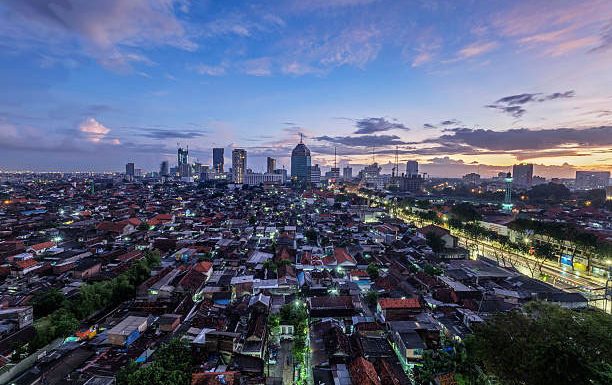
Medan is one of Indonesia’s biggest cities and an important economic center in Sumatra. As the city continues to grow, the need for better infrastructure also becomes more important. Roads, transportation, water systems, waste management, and other urban facilities need to keep up with the city’s development.
This is where international cooperation can make a difference. Germany and Indonesia have worked together on green infrastructure development, with a focus on creating cities that are not only more modern but also more environmentally friendly.
In February 2022, Germany and Indonesia agreed to strengthen cooperation through the Indonesian-German Green Infrastructure Initiative. According to Germany’s Federal Ministry for Economic Cooperation and Development (BMZ), the initiative supports projects related to sustainable mobility, waste management, water supply, and wastewater management.
So, what does this mean for cities such as Medan?
Building More Sustainable Cities
One of the biggest challenges for growing cities is balancing development with environmental protection. More people and more economic activity naturally create greater demand for transportation, clean water, waste collection, and other services.
Germany’s cooperation with Indonesia focuses on green infrastructure that can help address these challenges. The goal is to reduce greenhouse gas emissions while improving people’s quality of life.
For Medan, this kind of approach could be especially relevant. Better public transportation, improved waste management, and more efficient water systems can make daily life more comfortable while helping reduce the environmental impact of urban growth.
Focus on Transportation and Waste
Transportation is one important part of green infrastructure. Sustainable mobility can help cities reduce emissions and provide better ways for people to move around.
Waste management is another major issue. A growing city produces a lot of waste every day, so an effective system is essential. Germany and Indonesia’s cooperation includes efforts to improve waste management and support a circular economy.
For residents, these projects may sound technical, but their impact can be quite simple: cleaner neighborhoods, better services, and a healthier urban environment.
Water Infrastructure Matters Too
Water supply and wastewater management are also part of the Indonesian-German initiative. One of the first projects under the initiative was a regional water supply system in Central Java, which was expected to benefit more than 400,000 people. The project was valued at around €85.7 million.
This shows how infrastructure cooperation can go beyond roads and buildings. Reliable access to clean water is just as important for a city’s future.
展望未来
Germany planned to make up to €2.5 billion available between 2022 and 2025, largely through loans for climate- and environment-related infrastructure projects in Indonesian urban areas.
While the BMZ source does not identify a specific German-funded green infrastructure project in Medan, the broader cooperation offers an interesting direction for Indonesian cities.
For Medan, the message is clear: future development is not only about building more infrastructure. It is also about building smarter, cleaner, and more sustainable cities for the people who live there.

