
Thursday, 11 June 2026
When people talk about tourism in Indonesia, Bali often takes center stage. However, neighboring Lombok in West Nusa Tenggara (NTB) has been quietly building its reputation as one of the country’s most promising tourism destinations.
A few years ago, the Indonesian government explored a partnership with Saudi Arabia to help accelerate tourism development in NTB, especially in Lombok. The idea was simple but powerful: combine Lombok’s natural beauty with investment opportunities and the growing demand for halal tourism.
The discussion gained momentum during the visit of Saudi Arabia’s King Salman to Indonesia in 2017. A Saudi delegation was invited to visit the Mandalika tourism area in Lombok and explore potential investment opportunities. At the time, the Indonesian government viewed the visit as a chance to strengthen economic ties while promoting Lombok as a world-class tourism destination.
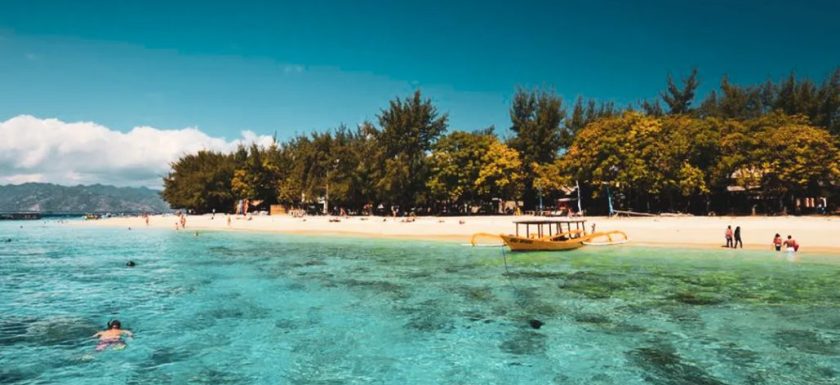
One of Lombok’s biggest advantages is its reputation as a halal-friendly destination. The island received international recognition as a favorite halal tourism destination, making it attractive to visitors from the Middle East. With its beautiful beaches, Islamic cultural heritage, and welcoming atmosphere, Lombok offers an experience that aligns well with the preferences of many travelers from Saudi Arabia and other Gulf countries.
The Mandalika Special Economic Zone became a key focus of the partnership discussions. This area was designed to become a tourism hub featuring luxury resorts, entertainment facilities, and supporting infrastructure. Saudi investors were encouraged to look at opportunities in hospitality, real estate, and tourism services.
For NTB, the benefits of cooperation with Saudi Arabia go beyond investment. Increased visitor numbers from the Middle East can create new jobs, support local businesses, and stimulate economic growth across the region. Hotels, restaurants, transportation providers, and local craftsmen all stand to gain from a stronger tourism sector.
Today, Lombok continues to develop as an alternative destination to Bali. Improved infrastructure, international events, and growing foreign investment have helped raise the island’s profile. Partnerships with countries such as Saudi Arabia demonstrate how international cooperation can play an important role in unlocking tourism potential.
As global tourism continues to evolve, NTB’s strategy of building strong international relationships while preserving its unique culture and natural beauty may be one of the keys to long-term success.
 EN
EN  ID
ID  CN
CN  AR
AR  IT
IT  ES
ES  JP
JP  KR
KR