
2026년 8월 7일 금요일
Indonesia’s textile industry is getting another boost as new international investments enter the sector. According to Ecotextile News, Indonesia has attracted investment from companies linked to Sweden, China, and Japan to develop more environmentally friendly textile manufacturing and dyeing facilities.
At first glance, investment in textile factories may sound like ordinary business news. But there is a bigger story behind it. The global textile industry is changing quickly, especially because major markets are demanding cleaner and more sustainable production. Indonesia is now trying to make sure its textile industry can keep up with those changes.
One important reason behind the new investment is the upcoming Indonesia-European Union Comprehensive Economic Partnership Agreement, or IEU-CEPA. The agreement is expected to create wider opportunities for Indonesian products in the European market. However, entering that market also means Indonesian manufacturers need to meet increasingly strict sustainability requirements.
This is particularly important for textile dyeing. Dyeing is one of the most resource-intensive stages of textile production because it can involve large amounts of water, energy, and chemicals. European buyers are paying more attention to how fabrics are produced, including the chemicals used during the dyeing process.
That is why the new investments are interesting. The planned facilities are expected to focus on eco-friendly fabric manufacturing and dyeing technologies. The Indonesian Ministry of Industry said the investments could also support innovation and improve energy efficiency in textile production.
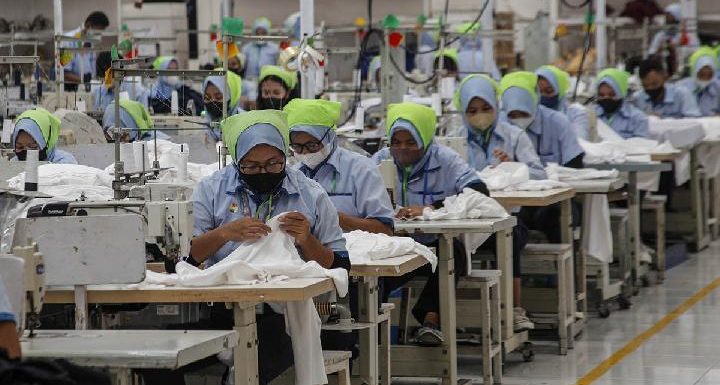
For Indonesia, this could be a valuable opportunity. The country already has a long history in textile and garment manufacturing, with factories supplying both domestic and international markets. New investment can bring modern machinery, new production techniques, and potentially better skills for local workers.
There is also an economic benefit. When international companies invest in manufacturing, the impact is not limited to the factory itself. Local suppliers, logistics companies, maintenance businesses, and other supporting industries can also benefit. More investment can therefore create a wider industrial ecosystem.
Sustainability is another major factor. Textile manufacturers around the world are under pressure to reduce energy use, manage chemicals more carefully, and lower their environmental impact. Investments in cleaner production technology could help Indonesian factories become more competitive while also responding to these global expectations.
For Indonesia, the timing is quite important. The textile sector faces strong competition from other manufacturing countries, so simply producing large quantities of cheap clothing may not be enough anymore. Manufacturers increasingly need to offer better quality, efficient production, and environmentally responsible products.
In simple terms, these new investments show that Indonesia’s textile industry is trying to move with the times. The goal is not only to produce more fabrics, but to produce them in a smarter and cleaner way.
With international investment, better technology, and access to larger markets, Indonesia has a chance to strengthen its position in the global textile supply chain. The challenge now is making sure these investments translate into long-term industrial growth, better jobs, and a more sustainable textile industry.
 KR
KR  EN
EN  ID
ID  CN
CN  AR
AR  IT
IT  ES
ES  JP
JP