
Thursday, 30 July 2026
Medan is one of Indonesia’s busiest cities, and like many fast-growing urban areas, traffic congestion has become a daily challenge. As the city continues to expand, better public transportation has become increasingly important. That’s why recent interest from Germany in helping develop Medan’s mass transportation system has caught plenty of attention.
The German government and potential investors have expressed interest in supporting the development of modern mass transportation in Medan. The initiative aims to improve urban mobility while helping the city prepare for future population and economic growth.
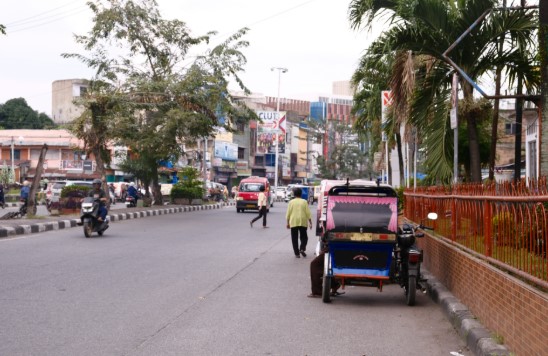
Anyone who has visited Medan knows how busy the roads can be, especially during rush hour. More vehicles, increasing economic activity, and urban expansion have all contributed to heavier traffic. A reliable public transportation system could significantly reduce congestion while making daily travel easier for residents.
Germany has long been recognized for its expertise in transportation engineering and public transit systems. Cities across the country operate efficient rail networks, buses, and integrated transport solutions that connect millions of passengers every day. Bringing some of that experience to Medan could provide valuable knowledge alongside investment.
Mass transportation isn’t just about reducing traffic. It also creates a range of economic benefits. Better transportation makes commuting more convenient, improves access to jobs, supports tourism, and helps businesses operate more efficiently. When people can travel faster and more comfortably, cities become more productive.
Medan already has several transportation options, including airport rail services and bus systems. However, as the metropolitan area continues growing, future improvements will be necessary to keep pace with increasing demand. Long-term plans have also included concepts such as Light Rail Transit (LRT) to provide a more comprehensive public transportation network.
International cooperation can accelerate these ambitions. Beyond funding, partnerships with experienced countries often introduce advanced technology, better planning methods, and sustainable transportation practices. Germany’s interest suggests confidence in Medan’s future as an important economic center in western Indonesia.
Environmental benefits are another important advantage. Modern public transportation can reduce private vehicle usage, lower fuel consumption, and help decrease air pollution. As cities worldwide focus on sustainability, investing in cleaner transportation infrastructure has become increasingly valuable.
For residents, the biggest improvement would likely be convenience. Faster travel times, predictable schedules, and comfortable transportation could improve daily life while encouraging more people to leave their cars or motorcycles at home.
Infrastructure projects of this scale naturally require careful planning, government coordination, and long-term investment. Feasibility studies, financing, land preparation, and collaboration between local authorities and international partners all play important roles before construction can begin.
Still, Germany’s interest sends a positive signal. It demonstrates that Medan is increasingly viewed as a city with strong growth potential and a market worthy of international infrastructure investment.
If the collaboration moves forward, it could become an important milestone for Medan’s transportation future. A modern mass transit system would not only help solve traffic problems but also support economic development, improve quality of life, and strengthen the city’s position as one of Indonesia’s leading urban centers. With international expertise and local commitment working together, Medan could take another significant step toward becoming a smarter and more connected city.
 KR
KR  EN
EN  ID
ID  CN
CN  AR
AR  IT
IT  ES
ES  JP
JP