
Wednesday, 26 August 2026
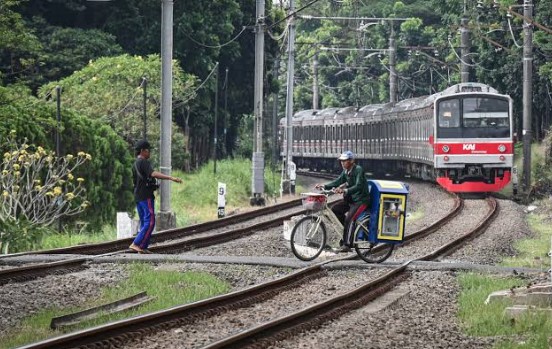
Surabaya is getting another major boost for its public transportation system, and this time Germany is stepping in with significant financial support. Germany is backing the first phase of the Surabaya Regional Railway Line (SRRL), a commuter rail project designed to improve transportation across the wider Surabaya area.
The project is valued at around $256 million, making it one of the more important infrastructure developments for East Java. According to Petromindo, Germany will provide financing for the first phase of the SRRL project.
For Surabaya, this investment is more than just about building railway tracks. The city and its surrounding areas continue to grow, bringing more people, businesses, and daily commuters. As the population and economic activity increase, transportation becomes an even bigger challenge. A reliable commuter rail network could help connect people more efficiently while reducing pressure on busy roads.
The SRRL is expected to become part of a broader effort to improve public transportation in the Surabaya metropolitan area. Instead of relying heavily on private cars and motorcycles, commuters could have another option for getting around the region.
Germany’s involvement is also interesting from an investment perspective. The funding shows that European cooperation is playing a role in Indonesia’s infrastructure development. Rail transportation requires long-term planning, advanced technology, and significant capital, so international financing can help accelerate projects that might otherwise take longer to develop.
For Indonesia, partnerships like this can also create opportunities beyond the railway itself. Large infrastructure projects require engineering services, construction companies, equipment, technology, maintenance, and skilled workers. That means the economic impact can extend to different sectors.
Surabaya is an especially important location for this kind of development. As one of Indonesia’s biggest cities and a major economic center, the city has strong connections with industrial areas, residential communities, ports, and surrounding towns. Better rail connectivity could make movement between these areas easier and potentially support regional economic growth.
There is also an environmental side to the project. A stronger commuter rail system can encourage people to leave their private vehicles at home, especially for regular trips. If more commuters choose trains, road congestion and vehicle emissions could potentially be reduced.
Germany’s support therefore represents more than a financial commitment. It highlights growing international interest in Indonesia’s transportation infrastructure and the country’s efforts to build more efficient urban mobility.
For Surabaya residents, the most important question is simple: when the railway becomes operational, will daily travel become easier? If the project is developed successfully, the answer could be yes.
With Germany backing the first phase, the Surabaya commuter rail project is another sign that Indonesia’s infrastructure development is attracting serious international attention.
 KR
KR  EN
EN  ID
ID  CN
CN  AR
AR  IT
IT  ES
ES  JP
JP