
Tuesday, 29 September 2026
Jepara has long been known as one of Indonesia’s important furniture-producing areas. Its local furniture products are not only popular in Indonesia but also have the potential to compete in international markets. A Spanish investor has also recognized this potential, saying that furniture from Jepara can compete with products from other countries.
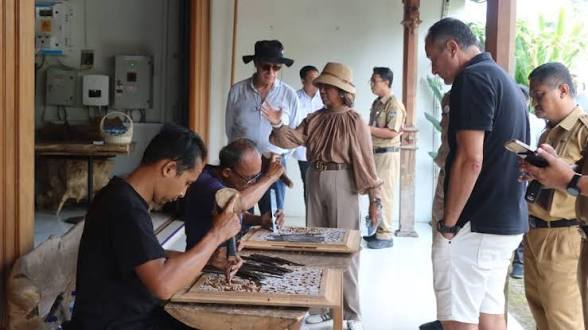
For Jepara’s furniture industry, this is an interesting opportunity. The region has a strong reputation for its craftsmanship, especially when it comes to wooden furniture. Many local craftsmen have skills that have been passed down through generations, creating products with detailed designs and a distinctive character.
Jepara Furniture Has International Potential
One of the main strengths of Jepara furniture is its craftsmanship. Local furniture makers are known for paying attention to details, from carving and shaping wood to finishing the final product.
This traditional skill can become an important advantage when Jepara furniture enters international markets. Customers from different countries often look for products that are not only functional but also have a unique story and identity.
The Spanish investor’s statement shows that Jepara’s furniture industry has qualities that can attract international attention. Local products do not necessarily have to imitate furniture from other countries. Instead, they can compete by highlighting their own designs, craftsmanship, and quality.
Woodworking Skills Are a Major Asset
Jepara’s furniture industry has a long connection with woodworking. Skilled craftsmen can turn pieces of wood into tables, chairs, cabinets, beds, doors, and various decorative products.
The combination of traditional skills and modern production methods can make these products even more competitive. Local businesses can maintain traditional craftsmanship while adapting their products to the preferences of international buyers.
For example, furniture with a simple and modern design may appeal to customers looking for minimalist interiors. At the same time, traditional carved furniture can attract buyers who appreciate more detailed and artistic designs.
This flexibility gives Jepara furniture an opportunity to reach different segments of the global market.
Opportunities for Spanish Investors
The interest from a Spanish investor could also create opportunities for cooperation between Jepara’s furniture businesses and companies from Spain.
International partnerships can help local furniture producers understand overseas market preferences, improve product development, and explore new distribution networks. At the same time, foreign investors can benefit from Jepara’s existing furniture ecosystem and skilled workforce.
Such cooperation does not necessarily mean that local producers have to abandon their traditional identity. Instead, international collaboration can help introduce Jepara’s craftsmanship to a wider audience.
Keeping Quality Competitive
Competing with furniture from other countries is not only about having attractive designs. Quality, production consistency, delivery, and customer service are also important.
Local furniture businesses therefore need to continue improving their production processes while protecting the craftsmanship that makes Jepara special.
Good quality control can help ensure that products meet the expectations of international buyers. Better packaging and logistics can also make it easier for furniture to be shipped overseas.
Jepara Furniture Can Go Further
The Spanish investor’s positive view highlights the potential of Jepara’s furniture industry. With skilled craftsmen, strong woodworking traditions, and growing international interest, local furniture businesses have an opportunity to reach more customers around the world.
The challenge is to combine Jepara’s traditional craftsmanship with modern market needs. If local producers can maintain quality while developing new designs and building international partnerships, Jepara furniture can continue to strengthen its position in the global furniture market.
 JP
JP  EN
EN  ID
ID  CN
CN  AR
AR  IT
IT  ES
ES  KR
KR