
2026年7月4日(土)
Construction projects rely on a wide range of materials, from cement bags and steel bars to timber, bricks, and heavy equipment. While these materials are essential for getting the job done, they can also become serious safety hazards if handled incorrectly. That’s why every construction site should make safe material handling a top priority.
One of the first rules is to know the material you’re working with. Every construction material has its own characteristics and potential risks. Cement, for example, can irritate the skin and eyes, while steel beams may cause crush injuries if lifted improperly. Reading product labels, safety instructions, and Safety Data Sheets (SDS) helps workers understand the right way to use and store each material.
Before moving any material, it’s important to inspect both the load and the equipment being used. Damaged pallets, broken lifting straps, or worn-out forklifts can easily cause accidents. Taking a few minutes to check equipment before use can prevent injuries and costly delays.
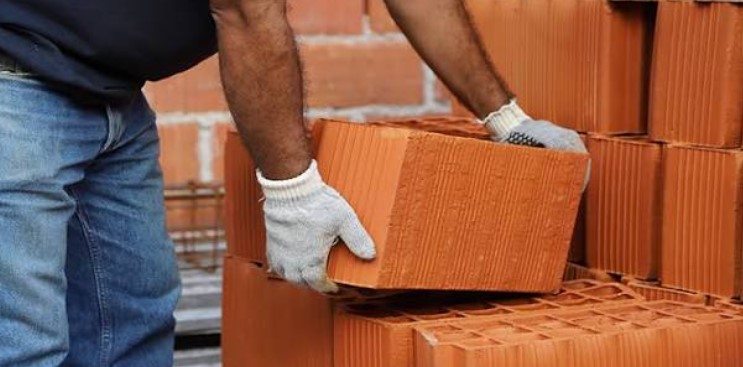
Proper lifting techniques also play a huge role in workplace safety. Many injuries happen simply because workers try to lift heavy objects the wrong way. Instead of bending at the waist, workers should bend their knees, keep their backs straight, and hold the load close to the body. If an item is too heavy, don’t hesitate to ask for help or use mechanical lifting equipment such as forklifts, cranes, or hoists.
Personal Protective Equipment (PPE) is another essential part of safe material handling. Hard hats protect workers from falling objects, gloves reduce the risk of cuts and abrasions, safety boots protect feet from heavy materials, and eye protection keeps dust and debris away from the eyes. Wearing the right PPE should become a daily habit rather than an afterthought.
Storage is equally important. Construction materials should always be stacked neatly on stable ground. Heavy items belong at the bottom, while lighter materials should be placed on top. Overloading shelves or stacking materials too high increases the risk of collapse. Walkways and emergency exits should remain clear at all times to allow workers to move safely around the site.
Communication is another key factor. Workers operating cranes or forklifts should maintain clear communication with ground personnel through hand signals or radios. Everyone involved in lifting operations needs to understand the plan before work begins.
Weather conditions should never be ignored. Rain can make surfaces slippery, while strong winds can affect suspended loads. During extreme weather, certain lifting activities may need to be postponed to avoid unnecessary risks.
Finally, safety training should never stop. Regular toolbox talks and refresher training sessions help workers remember best practices and stay updated on new procedures. Safety isn’t something that happens once during orientation—it requires constant attention.
At the end of the day, safe handling of construction materials isn’t just about following rules. It’s about protecting people, preventing accidents, and ensuring every worker returns home safely. A construction project is only truly successful when it delivers quality results without compromising the health and safety of the team behind it.

