
Thursday, 24 September 2026
Jepara is better known for its furniture industry, beautiful beaches, and traditional crafts. But the regency in Central Java also has another potential that could attract international investors: industrial development and port infrastructure.
Spanish investors have shown a positive response to the investment potential in Jepara, particularly for the development of an industrial estate and port. The interest shows that Jepara is not only attractive as a tourism and manufacturing area, but could also become an important location for business and logistics activities.
Interest in Jepara’s Industrial Potential
An industrial estate can provide an organized space for companies to operate, produce goods, and distribute their products. For investors, having an industrial area with supporting infrastructure can make business operations more efficient.
Jepara already has a strong connection with manufacturing, especially through its famous furniture industry. Local businesses have experience producing products for domestic and international markets. With better industrial infrastructure, there could be more opportunities to connect local businesses with international supply chains.
This is one reason why the potential development of an industrial estate in Jepara can attract attention from foreign investors.
Port Development Could Support Business
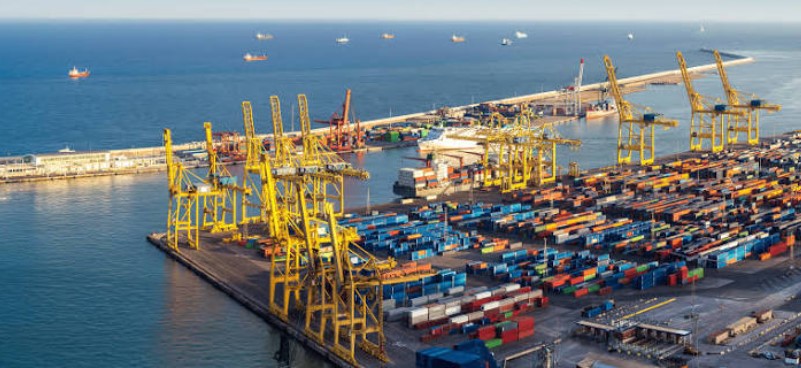
Besides the industrial estate, port development is another important part of the investment discussion.
A good port can make it easier to move raw materials and finished products. For companies operating in an industrial area, efficient transportation is important because products may need to be delivered to different parts of Indonesia or exported overseas.
Jepara’s location on the northern coast of Java also gives it an interesting position for maritime transportation. A better-developed port could potentially support industrial activities and improve connectivity between businesses in Jepara and wider markets.
The combination of an industrial estate and port could therefore create a more connected business environment.
Why Spanish Investors Are Interested
For foreign investors, investment opportunities are often connected to infrastructure, market access, and long-term business potential. Jepara offers an existing manufacturing base and a location that could support industrial and logistics development.
Spanish interest also shows how cooperation between Indonesia and European businesses can extend beyond major cities such as Jakarta or Surabaya.
For Jepara, international investment could bring opportunities for local economic development. Industrial projects can create demand for workers, suppliers, transportation services, construction companies, and other supporting businesses.
However, major infrastructure projects also require careful planning. Land availability, environmental considerations, transportation connections, permits, and cooperation between local and national authorities all need to be considered before a project can move forward.
A Potential New Chapter for Jepara
The positive response from Spanish investors adds another interesting chapter to Jepara’s economic development. While the investment interest is connected to plans and potential opportunities rather than an automatic guarantee that a project will be built, it highlights the possibilities available in the region.
If industrial estate and port development can be planned properly, Jepara could strengthen its role as a manufacturing and logistics location in Central Java.
For Spanish businesses looking at Indonesia, Jepara may offer an opportunity to explore a market outside the country’s biggest urban centers. Meanwhile, for Jepara itself, international interest could open the door to new partnerships, investment, jobs, and supporting industries.
With its existing manufacturing tradition and coastal location, Jepara has several pieces that could support future industrial growth. The next step is turning that potential into well-planned and sustainable development.
 IT
IT  EN
EN  ID
ID  CN
CN  AR
AR  ES
ES  JP
JP  KR
KR