
Mercoledì 27 maggio 2026
For years, many people viewed the Middle East mainly as a region powered by oil. But today, the story is changing fast. Countries like United Arab Emirates, Saudi Arabia, and Qatar are now becoming global investment giants, expanding into tourism, technology, real estate, infrastructure, renewable energy, and even sports.
So, why are Middle Eastern investors suddenly everywhere in global business? One of the biggest reasons is diversification. Oil has created enormous wealth for Gulf countries, but leaders in the region understand that depending only on oil is risky. Global energy markets can change quickly, and the rise of green energy is pushing many Middle Eastern governments to prepare for a future beyond petroleum.
That is why countries in the Gulf are investing aggressively across the world. From luxury hotels in Europe to football clubs in England and mega tourism projects in Southeast Asia, Middle Eastern investors are building long-term economic influence.
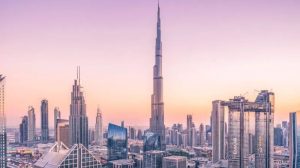
Another important factor is strategic positioning. The Middle East sits between Asia, Europe, and Africa, making it a natural business hub. Cities like Dubai and Doha are now global financial and tourism centers. Investors from the region are using this advantage to create worldwide business networks.
The region also has sovereign wealth funds worth trillions of dollars. These massive state-backed funds are looking for profitable industries with long-term growth potential. Tourism and property development are among their favorite sectors because global travel demand keeps rising every year.
Interestingly, Middle Eastern investors are also attracted to emerging markets like Indonesia. Indonesia offers political stability, a huge population, growing tourism, and many untapped investment opportunities. Areas like Lombok and Bali are especially attractive because they combine natural beauty with relatively affordable development costs.
Another reason for this global expansion is branding and influence. Owning luxury resorts, football clubs, airlines, and iconic buildings helps Middle Eastern companies strengthen their international image. It is no longer just about making money. It is also about becoming globally recognized economic powers.
Technology is also part of the equation. Many Gulf investors are putting money into artificial intelligence, fintech, green energy, and digital infrastructure. The goal is to transform their economies into innovation-driven ecosystems rather than oil-dependent states.
Of course, there are still challenges. Investors must deal with geopolitical risks, global economic uncertainty, and changing regulations in different countries. However, the Middle East continues to show strong ambition and financial capability.
Today, Middle Eastern investment is not just a trend. It is part of a long-term strategy to shape the future of global business. Whether it is tourism in Indonesia, football in Europe, or technology in the United States, Gulf investors are becoming key players in the modern economy.
 IT
IT  EN
EN  ID
ID  CN
CN  AR
AR  ES
ES  JP
JP  KR
KR