
Sabtu, 22 Agustus 2026
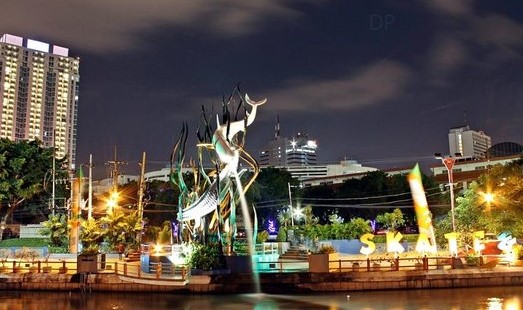
Kota-kota besar sering menghadapi tantangan lingkungan terbesar. Semakin banyak penduduk, semakin banyak bangunan, dan semakin banyak lalu lintas biasanya berarti penggunaan energi yang lebih tinggi. Itulah mengapa Surabaya menjadi tempat yang menarik untuk diamati. Kota ini telah dipilih sebagai salah satu kota percontohan untuk proyek Transisi Energi Berkelanjutan di Indonesia (SETI), sebuah kolaborasi antara pemerintah Indonesia dan Jerman.
Mengapa Surabaya?
Pemilihan ini bukanlah kebetulan. Surabaya sudah memiliki pengalaman dengan program kota hijau, menjadikannya tempat yang tepat untuk menguji ide-ide baru sebelum diterapkan di tempat lain. Proyek ini akan berlangsung hingga tahun 2028 dan dirancang untuk meningkatkan kebijakan, pembiayaan, dan implementasi energi bersih di dunia nyata.
Kota percontohan lainnya adalah Batam, tetapi Surabaya akan memainkan peran kunci dalam menunjukkan bagaimana energi terbarukan dan efisiensi energi dapat bekerja sama di lingkungan perkotaan yang sibuk.
Apa yang akan berubah?
Alih-alih berfokus pada satu pembangkit listrik raksasa, proyek ini melihat keseluruhan ekosistem energi. Kegiatan utama meliputi:
-Kebijakan yang lebih baik untuk energi terbarukan dan efisiensi
-Opsi pembiayaan baru untuk menarik investor
-Praktik industri yang lebih bersih di sektor-sektor seperti baja, tekstil, dan kertas
-Bangunan hemat energi yang ditenagai oleh lebih banyak energi terbarukan
Perpaduan ini penting karena kota-kota mengonsumsi listrik dalam jumlah besar setiap hari. Bahkan perbaikan kecil pada bangunan dapat menghemat energi secara signifikan dari waktu ke waktu.
Lebih dari sekadar proyek lingkungan
Kemitraan ini juga berkaitan dengan ekonomi. Jerman membawa keahlian teknis dan pengalaman dalam transisi energi, sementara Indonesia menawarkan permintaan yang terus meningkat dan potensi energi terbarukan yang sangat besar.
Jika proyek percontohan ini berhasil, hal itu dapat menciptakan peluang bisnis baru bagi perusahaan lokal, mendorong inovasi, dan mengurangi biaya energi jangka panjang. Udara yang lebih bersih dan emisi karbon yang lebih rendah adalah bonus yang disambut baik.
Sebuah langkah menuju tujuan iklim Indonesia
Indonesia telah berjanji untuk mengurangi emisi gas rumah kaca, dan sektor energi merupakan salah satu tantangan terbesar. Proyek SETI mendukung komitmen nasional tersebut dengan mempromosikan energi terbarukan dan efisiensi energi secara bersamaan.
Bagi warga, perubahan tersebut mungkin akan terlihat secara bertahap melalui bangunan publik yang lebih efisien, penggunaan energi yang lebih cerdas, dan perencanaan kota yang lebih ramah lingkungan. Perbaikan sehari-hari itulah yang ingin dibuktikan oleh proyek ini.
Surabaya tidak diharapkan dapat menyelesaikan setiap masalah energi dalam semalam. Sebaliknya, kota ini menjadi laboratorium hidup tempat Indonesia dan Jerman dapat menguji solusi praktis bersama. Jika ide-ide tersebut berhasil, kota-kota lain di Indonesia mungkin akan segera mengikuti jalan yang sama menuju masa depan yang lebih bersih dan berkelanjutan.
 ID
ID  EN
EN  CN
CN  AR
AR  IT
IT  ES
ES  JP
JP  KR
KR