
Sabtu, 18 Juli 2026
Indonesia is stepping up its efforts to attract more Australian investment, especially in industries that support downstream processing and the green economy. As both countries continue to strengthen their economic partnership, there’s a growing opportunity for Australian businesses to be part of Indonesia’s journey toward a more sustainable future.
But what exactly does this mean, and why should investors pay attention?
A New Chapter in Indonesia-Australia Cooperation
Indonesia has long been one of Australia’s most important neighbors and trading partners. Now, the relationship is evolving beyond traditional trade. The Indonesian government is encouraging Australian companies to invest in sectors that create higher-value products instead of simply exporting raw materials.
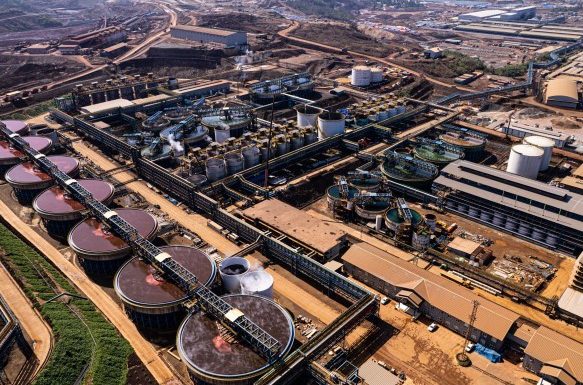
This strategy, known as downstreaming, focuses on processing natural resources within Indonesia before they are exported. Rather than shipping raw nickel, bauxite, or other minerals overseas, Indonesia wants to develop industries that produce batteries, electric vehicle components, and other finished products domestically.
This approach creates more jobs, boosts technology transfer, and increases the country’s economic value.
Why the Green Economy Matters
At the same time, Indonesia is committed to building a greener economy. The government has introduced various policies to encourage renewable energy, cleaner industries, and environmentally friendly manufacturing.
Australia has plenty to offer in this area. Australian companies have extensive experience in clean energy, sustainable mining, environmental technology, and green infrastructure. These strengths make them ideal partners for Indonesia’s ambitious sustainability goals.
Instead of viewing environmental protection as a challenge, both countries increasingly see it as an opportunity for long-term economic growth.
Investment Opportunities Are Growing
Several sectors stand out as attractive destinations for Australian investors.
Renewable energy is one of the biggest opportunities. Indonesia plans to increase its use of solar, wind, geothermal, and hydropower to reduce carbon emissions and meet future energy demand.
Critical minerals are another promising area. Indonesia possesses some of the world’s largest nickel reserves, an essential material for electric vehicle batteries. Australian expertise in mining technology and responsible resource management can help maximize these opportunities.
Manufacturing also plays a key role. By investing in downstream industries, Australian businesses can participate in producing higher-value goods while benefiting from Indonesia’s growing domestic market.
Kemitraan yang Saling Menguntungkan
The collaboration benefits both countries.
Indonesia gains new investment, advanced technology, skilled expertise, and employment opportunities. Meanwhile, Australian companies gain access to one of Southeast Asia’s largest and fastest-growing economies.
This partnership also strengthens regional supply chains, making both countries more competitive in the global market.
With agreements like the Indonesia-Australia Comprehensive Economic Partnership Agreement (IA-CEPA), cross-border investment has become even more accessible, creating a friendlier environment for businesses on both sides.
Looking Beyond Today
Indonesia’s green economy isn’t just about reducing emissions. It’s about creating industries that remain competitive for decades to come.
As global demand for sustainable products continues to rise, companies investing today could enjoy significant advantages in the future. Downstream processing, renewable energy, green manufacturing, and critical minerals all represent industries with enormous long-term potential.
For Australian investors, Indonesia offers more than a nearby market—it offers a chance to participate in one of the region’s biggest economic transformations. By combining Australia’s innovation with Indonesia’s abundant resources and ambitious vision, both nations are building a partnership that supports sustainable growth while creating lasting economic value for generations to come.
 ID
ID  EN
EN  CN
CN  AR
AR  IT
IT  ES
ES  JP
JP  KR
KR