
Jumat, 13 November 2026
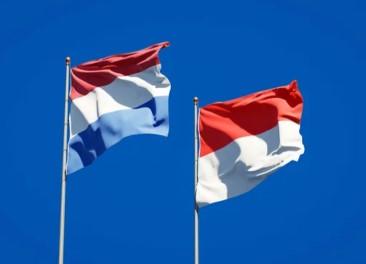
Indonesia and the Netherlands are looking to strengthen their economic relationship through better trade and investment cooperation. Both countries see plenty of opportunities to work together, especially in industries that can support economic growth and create new business opportunities.
The Netherlands has long been one of Indonesia’s important economic partners in Europe. Their relationship covers several sectors, including agriculture, maritime industries, logistics, education, and tourism. By improving cooperation in these areas, both countries hope to build stronger economic connections.
Trade is one of the main priorities. Indonesia has several products that attract Dutch buyers, including palm oil, coconut products, tin, and other agricultural commodities. These products have become important parts of Indonesia’s export activities to the European market.
On the other hand, Indonesia also imports various products from the Netherlands, including industrial materials, machinery-related products, and food ingredients. This exchange creates opportunities for businesses in both countries to reach new markets and develop their operations.
Investment is another important part of their partnership. Dutch companies have been operating in Indonesia across different industries for many years. Some well-known companies from the Netherlands are involved in consumer goods, electronics, energy, banking, and logistics.
The Indonesian government also wants to attract more Dutch investors by creating a better business environment. Easier investment procedures and improved regulations are expected to encourage companies to expand their businesses in the country.
Several sectors have also been highlighted as promising areas for future cooperation. These include maritime development, water management, agriculture, healthcare, and food security. The Netherlands has considerable experience in water management, making this sector particularly interesting for Indonesia, which has many coastal areas and agricultural regions.
Sustainable palm oil is another topic that deserves attention. Both countries have discussed ways to improve the industry, including supporting small farmers and encouraging better production standards. This cooperation could help Indonesian palm oil products become more competitive in international markets.
Tourism and education also offer opportunities to strengthen the relationship. Dutch visitors have become an important part of Indonesia’s European tourism market. Meanwhile, cooperation between universities and educational institutions can create more opportunities for students and professionals.
For Indonesia, working closely with the Netherlands is not only about increasing export numbers. It is also about gaining access to technology, business networks, knowledge, and international markets.
With both countries showing interest in expanding their partnership, there is plenty of room for future development. Stronger trade and investment cooperation could benefit businesses, create employment opportunities, and support economic growth in both Indonesia and the Netherlands.
 ID
 EN
 CN
 AR
 IT
 ES
 JP
 KR