
Wednesday, 14 October 2026
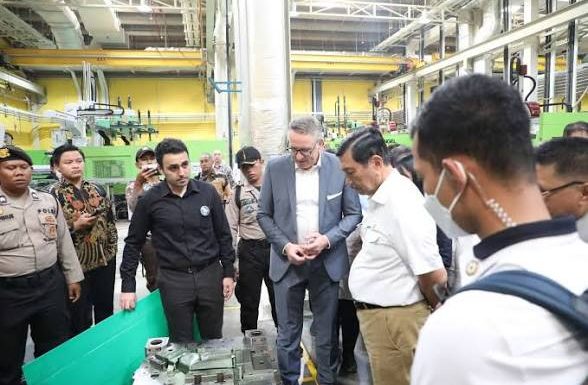
Batam continues to attract international investors, including companies looking for business opportunities that also support environmental protection. One interesting example is PT Free The Sea, a German-backed company that focuses on turning plastic waste into valuable products.
The company’s presence shows that investment is not always about building factories or increasing production. It can also help address environmental problems while creating economic opportunities for local communities.
Turning Plastic Waste into Useful Products
PT Free The Sea focuses on recycling plastic waste, particularly used plastic bottles collected from local households. Instead of allowing these bottles to end up in landfills or pollute the sea, the company processes them into materials that can be used again.
According to BP Batam, the recycling process produces PET flakes and plastic granules, which can then become raw materials for manufacturing. These recycled materials are used in the production of coffee makers associated with WIK Group.
This approach is an example of upcycling, where discarded materials are processed into something with economic value. It also shows how waste management can become part of a manufacturing business rather than simply being treated as a disposal problem.
Working with the Local Community
One important part of this business model is collecting plastic bottles from households. This creates a connection between industrial activities and the everyday habits of local residents.
When people separate their plastic waste and send it to recycling channels, materials that would otherwise be thrown away can enter the production process again.
This kind of cooperation can also help raise public awareness about waste separation and responsible consumption. Although recycling alone cannot solve every environmental problem, it can become an important part of a broader effort to reduce plastic pollution.
For Batam, a city with significant industrial and maritime activities, better waste management is especially relevant. Plastic waste that reaches waterways can eventually contribute to marine pollution, making proper collection and processing important for the surrounding environment.
BP Batam Welcomes the Investment
BP Batam has expressed its appreciation for PT Free The Sea, viewing the investment as a positive contribution to the development of an environmentally conscious industrial sector.
The initiative supports Batam’s ambition to become a greener investment destination. It also demonstrates how international businesses can bring knowledge, technology, and new approaches to local industries.
The company has highlighted the scale of its recycling activities. According to the BP Batam report, it had collected around 20 million PET bottles from across Batam in the preceding year and contributed to the production of approximately one million coffee makers using upcycled materials.
These figures illustrate the potential of combining waste collection with manufacturing. Rather than treating plastic bottles as useless rubbish, the business turns them into resources that can support commercial production.
Opportunities for Sustainable Investment in Batam
PT Free The Sea offers an example of how foreign investment can contribute to more than economic growth. Businesses involved in recycling and environmentally friendly manufacturing can also support better resource management and encourage new industrial practices.
For Batam, attracting companies with these priorities could open opportunities in waste processing, green manufacturing, and related supply chains. It may also encourage more cooperation between businesses, residents, and local authorities.
Ultimately, PT Free The Sea demonstrates how environmental challenges can create opportunities for innovation. By transforming discarded plastic into useful products, the company brings a different perspective to industrial development in Batam: economic activity and environmental responsibility can work together.
 ID
 EN
 CN
 AR
 IT
 ES
 JP
 KR