
Kamis, 28 Mei 2026
For years, Bali has been the center of Indonesia’s tourism and property investment boom. But now, another island is quietly stepping into the spotlight. Lombok is rapidly emerging as one of Indonesia’s most exciting standalone investment frontiers, attracting attention from both local and international investors.
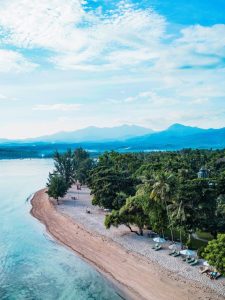
Located just east of Bali, Lombok offers many of the same tropical attractions people love about Bali — beautiful beaches, surf spots, luxury resorts, and breathtaking landscapes, but with lower property prices and far more room for growth.
One of the biggest reasons investors are turning toward Lombok is infrastructure development. The Indonesian government has invested heavily in the region, especially around the Mandalika tourism zone. New roads, improved airports, international events, and tourism facilities are helping transform Lombok into a world-class destination.
The success of the Mandalika International Street Circuit has also played a huge role. International racing events like MotoGP brought global exposure to Lombok and showed investors the island’s massive tourism potential. As visitor numbers continue to grow, demand for hotels, villas, restaurants, and tourism services is increasing rapidly.
Compared to Bali, Lombok still offers relatively affordable land prices. This gives investors the opportunity to enter the market earlier before values rise significantly in the coming years. Many developers now see Lombok as “the next Bali,” but with a more sustainable and less crowded environment.
Another attractive factor is Lombok’s growing luxury tourism market. High-end resorts, eco-retreats, beachfront villas, and wellness tourism projects are becoming increasingly popular. International travelers are now looking for quieter destinations with natural beauty and exclusivity, and Lombok fits perfectly into that trend.
Foreign investors are especially interested in hospitality and real estate. Villas with ocean views, boutique hotels, and tourism-related businesses are attracting strong interest from investors in Europe, Australia, Singapore, and the Middle East.
The Indonesian government’s support for tourism investment also creates confidence. Policies encouraging foreign investment and infrastructure growth make Lombok more attractive for long-term business opportunities.
Beyond tourism, Lombok also has potential in renewable energy, agriculture, and marine industries. Its strategic location and growing international recognition open opportunities beyond property investment alone.
Of course, every investment comes with challenges. Investors still need to understand local regulations, land ownership structures, and licensing requirements carefully. Working with trusted local partners and legal consultants is essential.
Still, Lombok’s momentum is hard to ignore. The island is no longer simply seen as Bali’s neighbor. It is becoming a serious investment destination with its own identity, growth story, and global appeal.
For investors looking for early opportunities in Indonesia’s next tourism and property hotspot, Lombok may be one of the most promising places to watch over the next decade.
 ID
ID  EN
EN  CN
CN  AR
AR  IT
IT  ES
ES  JP
JP  KR
KR