
Jueves, 10 de septiembre de 2026
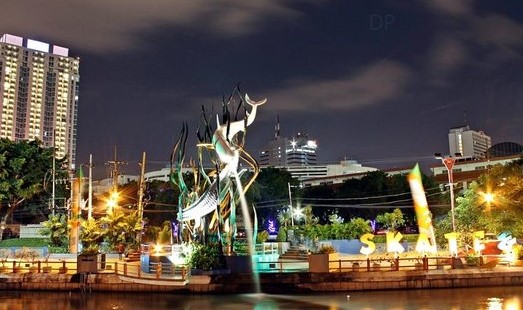
Surabaya is one of Indonesia’s biggest cities, and now it is also getting attention for its efforts to become more energy efficient. Through cooperation between Germany and Indonesia, the city is being developed as a pilot area for a more sustainable energy transition.
The cooperation involves the German government through the Federal Ministry for Economic Affairs and Climate Action (BMWK) and Indonesia’s Ministry of Energy and Mineral Resources. Their work is part of the Sustainable Energy Transition in Indonesia, or SETI, project, which focuses on energy efficiency and renewable energy, especially in buildings.
Why Surabaya? Surabaya was chosen because the city has already shown a strong interest in reducing greenhouse gas emissions. The city government has also introduced Green Building regulations for new buildings.
These regulations encourage buildings to follow environmentally friendly standards. The idea is not only about using less electricity. Green building principles also include water efficiency, better air quality, environmentally friendly materials, and proper waste management.
This makes the project more interesting because energy efficiency is being connected with the wider development of the city.
Energy Efficiency Can Start from Buildings
Buildings are an important part of urban energy consumption. Offices, schools, public facilities, and other buildings use electricity every day for lighting, cooling, equipment, and other activities.
Improving building efficiency can therefore make a real difference. Better building design, efficient equipment, renewable energy, and smarter energy use can help reduce unnecessary consumption.
Surabaya has already started applying some of these ideas. Several public facilities have adopted green concepts, including the Joyoboyo Intermodal Terminal and the Bappedalitbang Building. Solar panels have also been installed at schools, government offices, and traffic lights.
More Than Just Solar Panels
Energy transition is not simply about putting solar panels on rooftops. It also involves how people move around the city and how public services are provided.
The SETI project also looks at mobility and bringing public services closer to communities. This approach can help reduce unnecessary travel while making services easier for residents to access.
Surabaya also has the Benowo Waste Power Plant, known as PSEL, which is another example of the city’s efforts to connect waste management with energy production.
Cooperation Is the Key
One important point from the Surabaya project is that an energy-efficient city cannot be created by the government alone. Universities, businesses, communities, media, and young people can all play a role.
German–Indonesian cooperation gives Surabaya an opportunity to test ideas that could potentially be useful for other Indonesian cities too. If the programs work well, Surabaya could become an example of how a large city can combine economic activity, public services, renewable energy, and environmental goals.
For Surabaya, the goal is not simply to become a greener city on paper. The bigger challenge is making energy efficiency part of everyday urban life. And with cooperation between Indonesia, Germany, local institutions, businesses, and communities, that goal becomes much more realistic.
 ES
ES  EN
EN  ID
ID  CN
CN  AR
AR  IT
IT  JP
JP  KR
KR