
2026年7月4日,星期六
Building in coastal areas is exciting. Beautiful ocean views, fresh sea breezes, and thriving tourism make these locations attractive for homes, resorts, ports, and public spaces. However, coastal environments also bring unique engineering challenges, especially when it comes to drainage systems.
Unlike inland areas, coastal regions constantly expose infrastructure to salt, humidity, heavy rainfall, and sometimes even seawater. These conditions can quickly wear down ordinary drainage channels, leading to corrosion, cracks, and expensive repairs. That’s why choosing the right drainage system is just as important as selecting quality concrete or steel.
Why Coastal Drainage Needs Special Attention
Salt is one of the biggest enemies of construction materials. Even though it seems harmless, salty air and seawater can gradually damage metal components through corrosion. High humidity speeds up this process, while heavy rain can overwhelm poorly designed drainage systems.
When drainage channels begin to deteriorate, they lose their ability to carry water efficiently. Standing water can create slippery surfaces, weaken surrounding pavement, and increase maintenance costs. Over time, replacing damaged drainage infrastructure becomes much more expensive than installing the right system from the beginning.
Choose Materials That Can Handle the Environment
One of the most important decisions is selecting durable materials. Traditional concrete works well in many situations, but coastal environments often demand something more resistant.
Polymer concrete has become a popular choice because it offers several advantages. It has much higher strength than conventional concrete, absorbs very little water, and performs exceptionally well in salty environments. Its smooth internal surface also allows water to flow more efficiently while reducing the buildup of debris.
Another benefit is its resistance to many chemicals, making it suitable not only for beaches but also for marinas, ports, and industrial waterfronts.
Design Matters Just as Much
Good drainage isn’t only about materials—it also depends on smart design. Engineers should calculate expected rainfall, surface area, and water flow before selecting a drainage channel. Installing a channel that is too small can lead to flooding, while an oversized system may increase unnecessary costs.
Many modern drainage systems use hydraulic calculations to determine the ideal channel size for each project. This approach ensures efficient water management while keeping installation costs under control.
Think About Safety and Maintenance
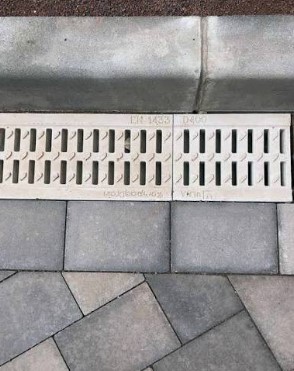
Coastal walkways, parks, and public spaces need drainage channels that are safe for pedestrians. Narrow grate openings help prevent people from tripping while still allowing rainwater to enter the system efficiently.
Maintenance is another important factor. Systems with smooth channel surfaces and durable materials reduce dirt accumulation and make cleaning easier. Lower maintenance means fewer disruptions and lower long-term operating costs.
Built for Heavy Loads
Not every coastal project is a beachfront promenade. Ports, shipping terminals, and industrial waterfronts experience constant heavy vehicle traffic.
In these environments, drainage channels must withstand both high loads and aggressive marine conditions. Heavy-duty systems with high load ratings and corrosion-resistant materials provide the durability needed for years of reliable service.
Investing in Long-Term Performance
Choosing the right drainage channel isn’t simply about solving today’s water problems—it’s about protecting infrastructure for decades.
By selecting corrosion-resistant materials, designing channels based on hydraulic requirements, and considering future maintenance, project owners can reduce repair costs while improving safety and reliability.
In coastal environments where salt, moisture, and weather constantly challenge construction materials, investing in high-quality drainage systems is one of the smartest decisions any builder or developer can make. A durable drainage solution keeps roads dry, public spaces safer, and infrastructure performing at its best for many years to come.
 CN
CN  EN
EN  ID
ID  AR
AR  IT
IT  ES
ES  JP
JP  KR
KR