
2026年7月4日,星期六
Gypsum ceilings have become one of the most popular choices for modern homes and commercial buildings. They offer a clean appearance, smooth finishes, and endless design possibilities. Whether you prefer a simple flat ceiling or an elegant layered design with hidden lighting, gypsum provides both beauty and functionality.
However, achieving great results requires proper installation from start to finish.
Why Choose Gypsum Ceilings?
Gypsum boards are lightweight, easy to shape, and provide excellent finishing quality. They can hide electrical wiring, air-conditioning ducts, and plumbing while creating a clean and modern interior. Many gypsum ceiling systems also improve sound insulation and offer better fire resistance compared to some traditional ceiling materials.
The Installation Process
The first step is careful planning and measurement. Installers determine the ceiling height, mark reference lines, and calculate the amount of material needed. Accurate measurements help avoid unnecessary waste and ensure a perfectly level ceiling.
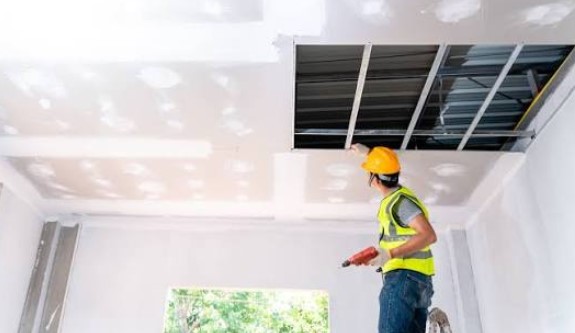
Next comes the installation of the metal framework. This framework acts as the skeleton that supports the gypsum boards. Strong and properly aligned framing is essential because it prevents future sagging or cracking.
Once the frame is complete, gypsum boards are fixed securely using appropriate screws at recommended spacing. The joints between boards are then covered with joint tape and filled using joint compound to create a seamless surface.
After the compound dries, the entire ceiling is sanded until smooth. Finally, a primer is applied before painting to achieve an even and professional finish.
Installation Techniques That Matter
Proper screw spacing is important to prevent loose panels over time. Expansion gaps should also be provided where necessary to accommodate natural building movement caused by temperature and humidity changes.
Corners and joints deserve extra attention because these areas are more likely to develop cracks if not reinforced correctly. Using quality joint compounds and reinforcement tape helps create a durable finish.
For ceilings with recessed lighting, ventilation systems, or decorative features, accurate planning before installation minimizes cutting errors and improves the final appearance.
Important Considerations
One common mistake is installing gypsum boards in areas with excessive moisture without using moisture-resistant products. Bathrooms, kitchens, and laundry rooms should use specialized moisture-resistant gypsum boards designed for humid environments.
It’s also important to ensure the roof structure is free from leaks before installing the ceiling. Even the best gypsum ceiling can be damaged if water seeps through the roof.
Choosing experienced installers is equally important. Professional workmanship ensures proper alignment, secure fastening, and smooth finishing that lasts for years.
A Beautiful Ceiling Starts with Proper Installation
A gypsum ceiling does much more than cover the roof structure—it enhances the overall look and comfort of a room. When installed correctly using quality materials and proper techniques, gypsum ceilings provide a stylish, durable, and low-maintenance solution for modern interiors.
From careful planning and solid framing to precise finishing and regular maintenance, every step contributes to a ceiling that not only looks impressive but also performs reliably for many years.
 CN
CN  EN
EN  ID
ID  AR
AR  IT
IT  ES
ES  JP
JP  KR
KR