
الاثنين، 27 يوليو 2026
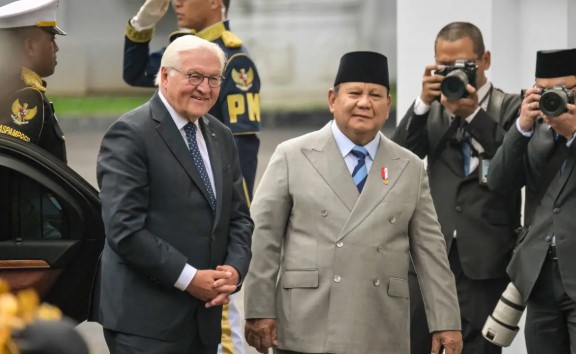
Indonesia and Germany are taking another important step toward strengthening their economic partnership. During a recent meeting, both countries agreed to increase trade and investment while exploring new opportunities across several strategic sectors. As Indonesia’s capital and economic center, Jakarta is expected to play a major role in supporting this growing cooperation.
Germany has long been one of Indonesia’s most important economic partners in Europe. Known for its advanced manufacturing industry, engineering expertise, and technological innovation, Germany sees Indonesia as a key market with enormous long-term potential. Meanwhile, Indonesia welcomes German investment as it continues developing its economy and modernizing its industries.
Jakarta naturally becomes the focal point of this partnership. As the country’s financial and business hub, the city hosts the headquarters of many multinational companies, government institutions, and investment agencies. It also offers excellent infrastructure, skilled workers, and access to major transportation networks, making it an attractive base for international investors.
One of the biggest areas of cooperation is manufacturing. Germany is globally recognized for producing high-quality machinery, automotive technology, and industrial equipment. Indonesian manufacturers can benefit from German technology to improve productivity, increase efficiency, and compete more effectively in international markets.
Another major focus is renewable energy and sustainability. Indonesia has committed to reducing greenhouse gas emissions while expanding the use of clean energy. German companies have extensive experience in solar power, wind energy, waste management, and environmentally friendly industrial solutions. Their expertise can help Indonesia accelerate its green transition while creating sustainable economic growth.
Digital transformation is also gaining attention. As Indonesia’s digital economy continues to expand rapidly, German companies specializing in automation, artificial intelligence, smart manufacturing, and Industry 4.0 technologies see exciting opportunities for collaboration. These innovations can help Indonesian businesses become more competitive while supporting the country’s broader economic modernization.
Trade remains another essential pillar of the relationship. Increasing exports and imports between the two countries allows businesses to access larger markets and new customers. Indonesian products, including furniture, textiles, food products, and electronics, have growing opportunities in Europe, while German industrial products continue to support Indonesia’s manufacturing sector.
Government representatives from both countries emphasized that a healthy investment climate depends on regulatory certainty, transparency, and ease of doing business. Indonesia has introduced several reforms to improve the investment environment, making it easier for foreign companies to establish operations and expand their activities.
For Germany, Indonesia’s large domestic market, strategic location in Southeast Asia, and young workforce make it an increasingly attractive destination for long-term investment. For Indonesia, German investment brings much more than financial resources. It also provides access to world-class technology, management expertise, workforce training, and international business networks.
Jakarta will likely remain at the center of this growing partnership, but the positive impact can extend across the country. New investment projects often create employment opportunities, encourage innovation, strengthen local industries, and improve economic competitiveness.
As Indonesia and Germany continue expanding their cooperation, businesses from both countries have an opportunity to build stronger partnerships that support sustainable growth. With shared commitments to innovation, technology, and long-term development, this relationship has the potential to deliver significant benefits for both economies in the years ahead.
 AR
AR  EN
EN  ID
ID  CN
CN  IT
IT  ES
ES  JP
JP  KR
KR