
Sabtu, 25 Juli 2026
Indonesia is taking another exciting step toward a greener future, and this time the journey involves an international partnership with Germany. Institut Teknologi Sepuluh Nopember (ITS) in Surabaya has been working closely with German partners to strengthen agrivoltaic development and encourage greater investment in solar energy. The collaboration shows how education, technology, and international cooperation can come together to build a more sustainable future.
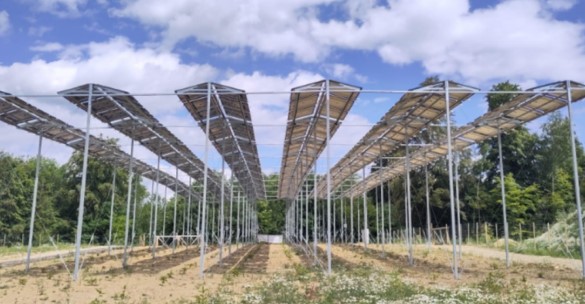
Agrivoltaics may sound like a complicated term, but the idea is actually quite simple. It combines agriculture and solar power on the same piece of land. Instead of choosing between farming or installing solar panels, agrivoltaic systems allow both activities to happen together. Crops continue to grow while solar panels generate clean electricity above them.
This concept offers plenty of benefits. Farmers can produce renewable energy without sacrificing valuable farmland, while the panels provide partial shade that can even help certain crops grow better under Indonesia’s hot tropical climate. It’s a smart solution for countries looking to improve food security while expanding renewable energy production.
To support this innovation, Germany has been sharing its knowledge and experience with ITS. German experts have introduced research, technology, and practical insights gained from years of developing renewable energy projects. This knowledge exchange helps Indonesian researchers better understand how agrivoltaic systems can be adapted to local conditions.
For ITS, the partnership represents much more than academic collaboration. It gives students, researchers, and lecturers access to international expertise and opens opportunities for future research projects. By working directly with experienced partners, the university can accelerate innovation and prepare graduates to contribute to Indonesia’s clean energy transition.
Solar energy continues to become one of the world’s fastest-growing renewable energy sources. Indonesia has enormous solar potential thanks to its tropical location, receiving abundant sunlight throughout the year. However, maximizing this opportunity requires strong research, modern technology, supportive policies, and investment—all areas where international cooperation can make a real difference.
Germany has long been recognized as one of the global leaders in renewable energy development. Its experience in integrating solar power into everyday life provides valuable lessons that Indonesia can learn from while developing solutions tailored to its own environment and communities.
The collaboration also highlights the importance of attracting investment in green technology. As renewable energy projects continue to expand, investors are increasingly looking for innovative solutions that combine environmental sustainability with economic value. Agrivoltaic projects fit this vision by supporting both energy production and agriculture at the same time.
Beyond technology, the partnership encourages knowledge sharing through seminars, workshops, and research collaborations. Students gain valuable international exposure, researchers strengthen their networks, and both countries benefit from exchanging ideas that can lead to future innovations.
For Indonesia, projects like this demonstrate a growing commitment to achieving cleaner energy while maintaining agricultural productivity. Universities such as ITS play a crucial role by becoming research hubs where new technologies can be tested before being implemented on a larger scale.
The collaboration between Germany and ITS is a great example of how international partnerships can create meaningful progress. By combining German expertise with Indonesia’s vast renewable energy potential, both sides are helping shape a future that is cleaner, smarter, and more sustainable.
As agrivoltaic technology continues to develop, this partnership could inspire even more renewable energy investments across Indonesia. It’s an exciting reminder that when countries work together, they can build innovative solutions that benefit people, the environment, and future generations.
 ID
ID  EN
EN  CN
CN  AR
AR  IT
IT  ES
ES  JP
JP  KR
KR