
Jueves, 28 de mayo de 2026
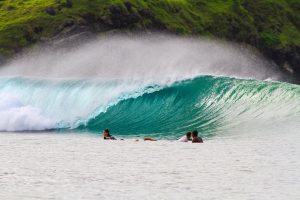
Para muchos viajeros, la playa de Tanjung Aan es una de las más hermosas de Indonesia. Sus aguas cristalinas, su suave arena blanca, sus ondulantes colinas verdes y su ambiente tranquilo la han convertido en un destino favorito tanto para turistas como para residentes locales durante años.
Sin embargo, recientemente, la playa se ha convertido en el centro de la polémica tras la aparición de informes sobre planes de desarrollo a gran escala vinculados a proyectos de inversión turística en la zona de Mandalika. La noticia desató de inmediato un debate entre residentes, activistas medioambientales, empresas turísticas e inversores.
El problema surgió cuando se reportaron actividades de desmonte y recuperación de tierras cerca del lado este de la playa, incluyendo áreas próximas a los manglares. Según los informes, se observó maquinaria pesada y camiones operando en la zona de desarrollo como parte de un proyecto turístico más amplio vinculado a la Zona Económica Especial de Mandalika.
Desde la perspectiva del inversor, el objetivo es bastante claro. Los promotores pretenden transformar la zona de Tanjung Aan en un destino turístico de primer nivel, con complejos turísticos de lujo, clubes de playa, hoteles, restaurantes e instalaciones turísticas de estándar internacional. Se espera que el proyecto atraiga a más turistas extranjeros y posicione a Lombok como un destino turístico de lujo a nivel mundial, junto con Bali.
Para los inversores, la zona ofrece un enorme potencial. El sector turístico de Lombok ha experimentado un rápido crecimiento en los últimos años, especialmente tras el éxito de los eventos de MotoGP en el cercano Circuito Urbano Internacional de Mandalika. La proyección internacional ha impulsado la demanda inmobiliaria, el desarrollo hotelero y la infraestructura turística en todo el sur de Lombok.
Los partidarios del proyecto creen que la remodelación podría generar importantes beneficios económicos. Los nuevos hoteles y negocios turísticos podrían crear empleos, mejorar la infraestructura, aumentar los ingresos fiscales y atraer a más visitantes internacionales. Algunos inversores también argumentan que las instalaciones turísticas modernas son necesarias si Lombok quiere competir a nivel mundial con destinos como Phuket o Bali.
Sin embargo, no todos están de acuerdo con el proyecto. Las preocupaciones medioambientales se convirtieron rápidamente en el principal problema. Los manglares cercanos a la zona de desarrollo se consideran importantes para proteger los ecosistemas costeros, prevenir la erosión y mantener la biodiversidad marina.
Los críticos temen que la excesiva recuperación de terrenos y la construcción puedan dañar permanentemente el equilibrio natural de la zona.
Las comunidades locales también han manifestado su preocupación por la reubicación, las indemnizaciones y el acceso a los espacios públicos. Algunos residentes temen perder sus negocios y sus medios de subsistencia tradicionales, que dependen en gran medida del turismo de playa.
Según varios informes, los vendedores locales y los negocios de playa temen que los proyectos de turismo de lujo puedan desplazar gradualmente a las comunidades locales de las zonas de las que han dependido durante décadas.
La controversia pone de relieve una cuestión más amplia a la que se enfrentan muchos destinos turísticos en Indonesia: ¿cómo puede producirse el desarrollo sin sacrificar la naturaleza y la identidad local?
En muchos sentidos, los inversores están intentando modernizar Tanjung Aan y convertirlo en un destino turístico de primer nivel. Pero, al mismo tiempo, las comunidades locales y los grupos ecologistas exigen que el desarrollo se lleve a cabo de forma responsable, sostenible y con la debida protección de la naturaleza y la cultura local.
En estos momentos, el futuro de la playa de Tanjung Aan se debate entre dos fuerzas poderosas: la ambición económica y la preservación del medio ambiente.
Si se gestiona con cuidado, el proyecto podría convertir a Lombok en uno de los principales destinos turísticos de lujo del sudeste asiático. Pero si el desarrollo avanza de forma demasiado agresiva, muchos temen que la isla pierda la belleza natural que atrajo a los inversores en un principio.
 ES
ES  EN
EN  ID
ID  CN
CN  AR
AR  IT
IT  JP
JP  KR
KR