
الاثنين، 8 يونيو 2026
Indonesia is pursuing one of the largest energy transition programs in the developing world. The country aims to reduce emissions, expand renewable energy, and move toward its Net Zero target by 2060. However, achieving these goals requires enormous investment.
Traditionally, Indonesia has relied heavily on financing and investment from major global powers such as China and the United States. But changing geopolitical conditions and growing uncertainty have encouraged policymakers and researchers to explore alternative partnerships.
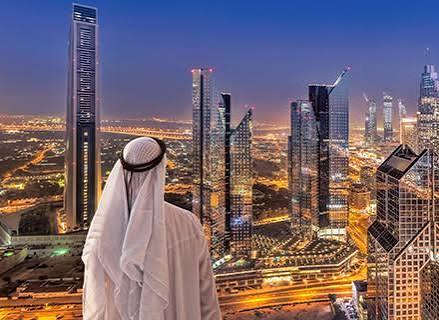
One region attracting increasing attention is MENA, or the Middle East and North Africa. MENA countries could become important investment partners for Indonesia’s clean energy transition. The region is home to some of the world’s largest sovereign wealth funds, including Saudi Arabia’s Public Investment Fund (PIF) and Abu Dhabi Investment Authority (ADIA). These institutions have been expanding investments into renewable energy, technology, and sustainable infrastructure.
Why does this matter?
First, diversification reduces dependency. Relying too heavily on one or two major partners can create risks, especially during periods of geopolitical tension. By attracting investment from MENA countries, Indonesia can broaden its financing sources and improve economic resilience.
Second, many Gulf countries are actively investing in renewable energy projects worldwide. Initiatives such as Saudi Arabia’s Vision 2030 and the UAE’s clean energy programs demonstrate a strong commitment to sustainable development. These experiences can provide valuable expertise for Indonesia’s transition efforts.
Third, additional investment could generate significant economic benefits. Renewable energy projects create jobs, stimulate local industries, improve energy security, and reduce environmental costs. Researchers suggest that stronger MENA partnerships could help unlock substantial economic output while supporting Indonesia’s climate goals.
Current conflicts and geopolitical uncertainty in various regions have also encouraged countries to rethink investment strategies. Rather than depending on traditional partners alone, Indonesia has an opportunity to build a more balanced network of international investors.
The relationship could be mutually beneficial. Indonesia offers one of the world’s largest renewable energy markets, abundant natural resources, and a growing population. Meanwhile, MENA investors bring capital, expertise, and a long-term interest in sustainable economic diversification.
As the global energy landscape continues to evolve, partnerships between Indonesia and MENA countries may become an increasingly important piece of the clean energy puzzle.
 AR
AR  EN
EN  ID
ID  CN
CN  IT
IT  ES
ES  JP
JP  KR
KR